Fed Minutes May Reveal Warsh's Leadership Style, Not Rate Clues
Wednesday's release of June Fed minutes offers a window into Kevin Warsh's approach to running the central bank, not the rate signals markets want.
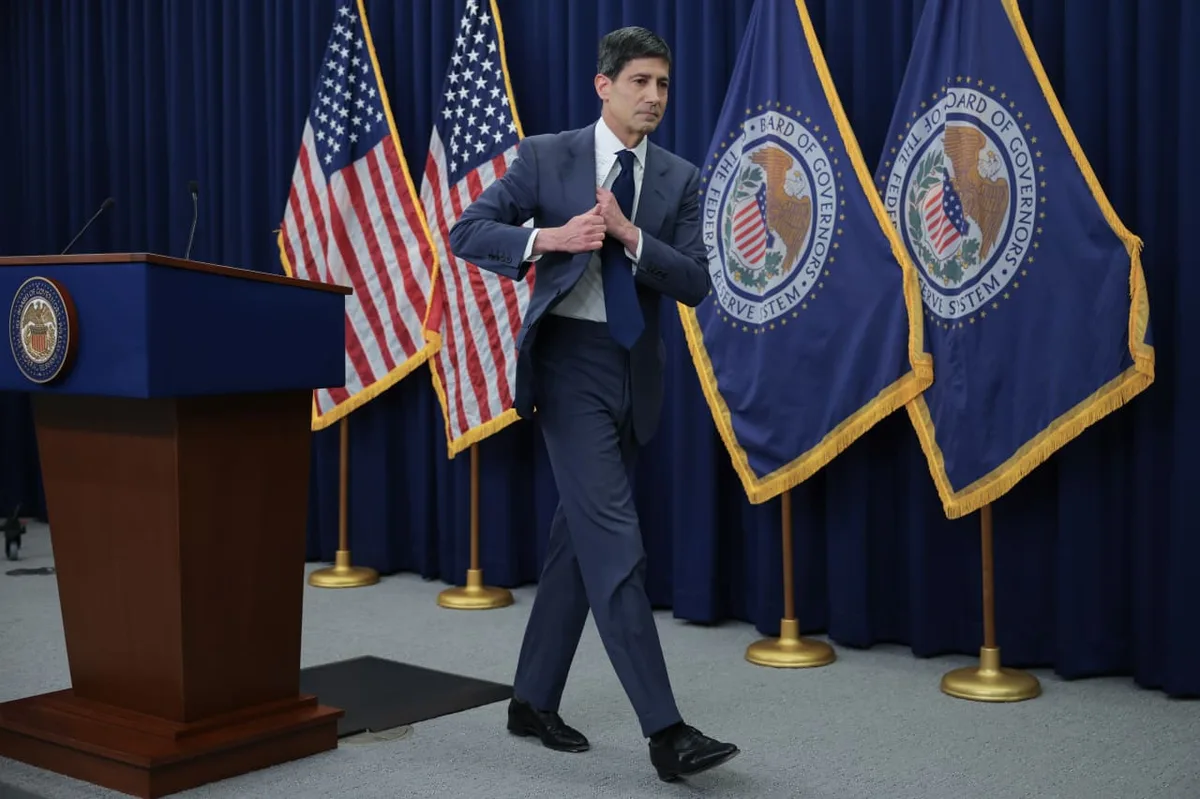
Investors scanning Wednesday's Federal Reserve meeting minutes for clues about the next interest-rate move may come away disappointed. The more consequential story embedded in the June minutes is likely to be what they reveal about newly installed Fed Chair Kevin Warsh and how he intends to steer the world's most influential central bank.
Warsh, who took over the chairmanship after Jerome Powell's tenure, brings a distinct philosophy to monetary policy — one that markets and economists are still working to decode. Meeting minutes, which capture the breadth of internal debate among policymakers, offer one of the few structured opportunities for outside observers to assess the tone, priorities, and deliberative style that a new chair imposes on the institution.
Read more UK Bond Markets Could Cap Any Burnham Premiership Agenda →
The distinction matters enormously. Fed watchers have long known that minutes can be parsed not just for policy direction but for the texture of how decisions get made — whether dissent is tolerated, which risks get the most airtime, and how the chair frames uncertainty. Under Warsh, those signals could carry unusual weight given how early it is in his tenure and how little the public record has accumulated around his leadership approach.
For financial markets, the temptation will be to hunt for any language that hints at rate cuts or hikes on the horizon. But analysts who focus on Fed governance argue that the institutional dynamics revealed in these minutes may prove more durable and market-moving over time than any single rate decision. How Warsh manages consensus — or chooses not to — could define the Fed's credibility arc for years.
In that sense, Wednesday's release is less a weather report and more a character study. Understanding who is running the Fed, and how, is ultimately the prerequisite for understanding where policy is headed. Continue reading at MarketWatch.com