Functional Beverages Are Reshaping What Americans Drink
From protein-infused coffee to CBD sodas, brands are racing to capture consumers who want more than just a caffeine kick.
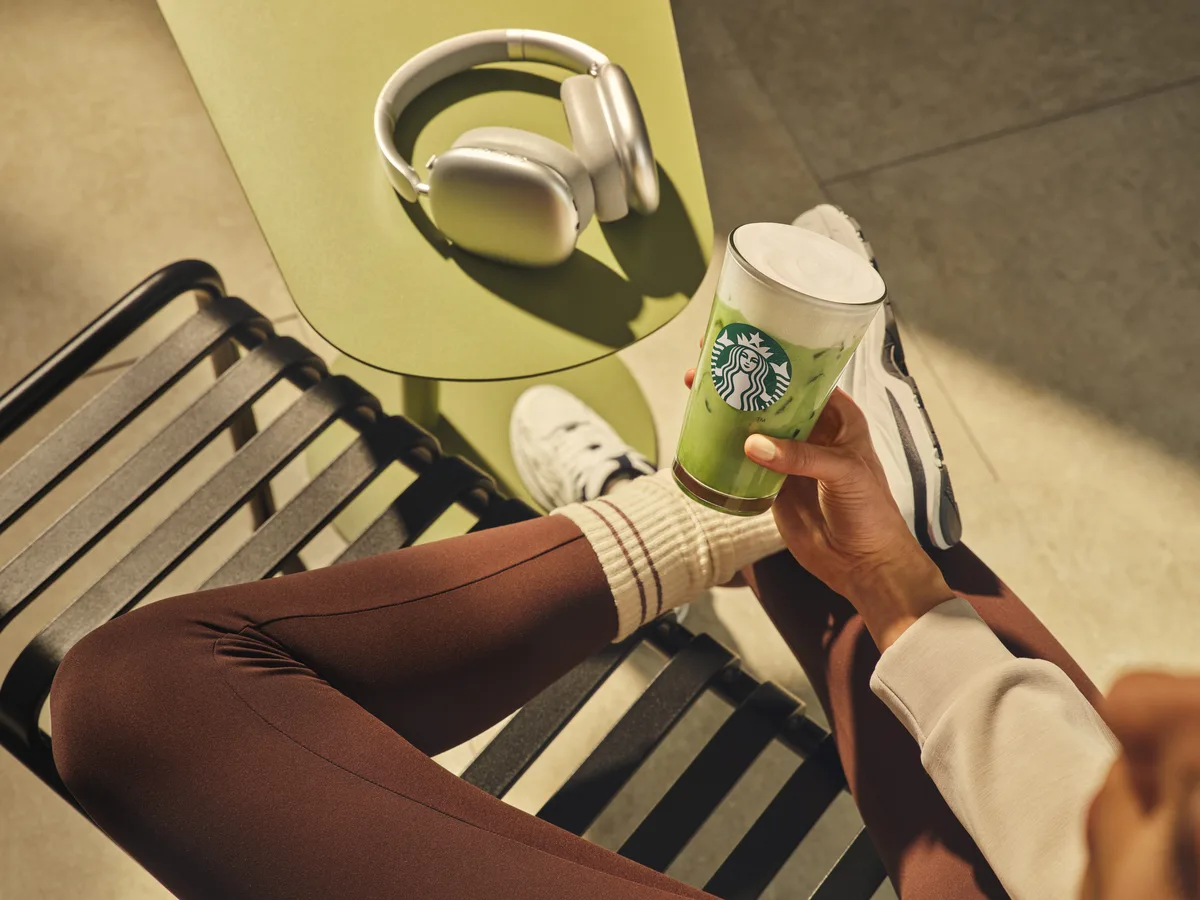
The functional beverage market is undergoing a fundamental transformation, as consumers increasingly demand that their drinks do double duty — delivering not just flavor or stimulation, but measurable health benefits. Protein additives, adaptogens, CBD infusions, and nootropic blends are no longer fringe offerings; they are rapidly becoming mainstream menu items and shelf staples at major retailers and coffee chains alike.
Starbucks offers perhaps the most telling signal of how dramatically consumer preferences are shifting. Sam Henderson, the chain's EMEA Manager of Beverage Development, told CNBC that the company is selling nearly as much protein cold foam as it does flat whites — a benchmark product that has defined espresso culture for decades. That comparison alone underscores how quickly functional add-ons have moved from novelty to expectation among everyday coffee drinkers.
Read more Johnson & Johnson Wins Talc Cancer Lawsuit Involving Three Women →
For brands, the opportunity is enormous but so is the execution challenge. Functional ingredients must be dosed carefully, taste profiles are harder to control than traditional formulations, and regulatory language around health claims remains a minefield in both the US and European markets. Companies that get the balance right — credible health positioning married to genuinely enjoyable flavor — stand to capture loyalists who are willing to pay a meaningful premium.
The deeper trend here is a convergence of the wellness economy with the convenience-beverage sector. Consumers who might once have bought a separate protein shake, a vitamin supplement, and a morning coffee are now looking for single products that collapse all three needs. That behavioral shift is creating white space for both legacy players like Starbucks and a new generation of challenger brands built entirely around functional positioning.
Continue reading at US Top News and Analysis