GENIUS Act Would Apply Bank-Style ID Rules to Stablecoins
U.S. regulators are pushing to extend traditional bank customer-identification requirements to stablecoin issuers under the proposed GENIUS Act.
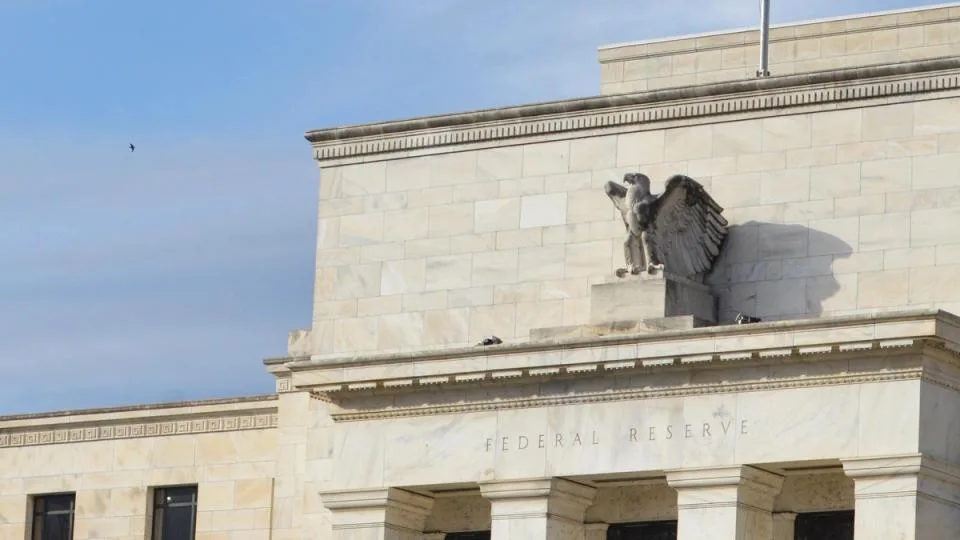
Federal agencies are moving to close a long-standing regulatory gap between traditional banking and the fast-growing stablecoin sector, according to reporting by CoinDesk. The push centers on the GENIUS Act, a legislative proposal that would require stablecoin issuers to implement customer-identification procedures substantially similar to those already mandated for federally chartered banks — a framework commonly known as Know Your Customer, or KYC.
The significance of this development extends well beyond compliance paperwork. For years, stablecoins have operated in a gray zone, offering dollar-denominated digital assets without the full suite of consumer-protection and anti-money-laundering obligations that govern bank accounts. Bringing stablecoin providers under KYC rules would mark a structural shift, treating these products less like software applications and more like financial institutions in the eyes of U.S. law.
Read more Ireland Issues First Crypto Risk Assessment in Seven Years →
From a policy standpoint, the timing reflects mounting pressure on Congress to establish a coherent federal framework before the stablecoin market — which already represents hundreds of billions of dollars in circulation — grows further beyond the reach of existing oversight tools. Regulators have argued that the absence of uniform identification standards creates vulnerabilities that bad actors can exploit, particularly for cross-border transfers that bypass the traditional correspondent-banking system.
For the industry, the implications are double-edged. Compliance costs would rise, potentially squeezing smaller issuers out of the market and consolidating power among well-capitalized players already accustomed to bank-grade regulatory infrastructure. At the same time, clearer rules could unlock institutional adoption that has been held back precisely because large financial intermediaries are reluctant to engage with assets operating outside a recognized legal perimeter.
The debate over the GENIUS Act ultimately reflects a broader tension in U.S. financial policy: how to foster innovation in digital assets without replicating the systemic risks that consumer-protection rules were originally designed to prevent. Continue reading at CoinDesk.