House Republican Moves to Bar Congress Members from Prediction Market Bets
Rep. Steil introduces legislation targeting political prediction market wagers by members of Congress amid growing scrutiny of platforms like Kalshi and Polymarket.
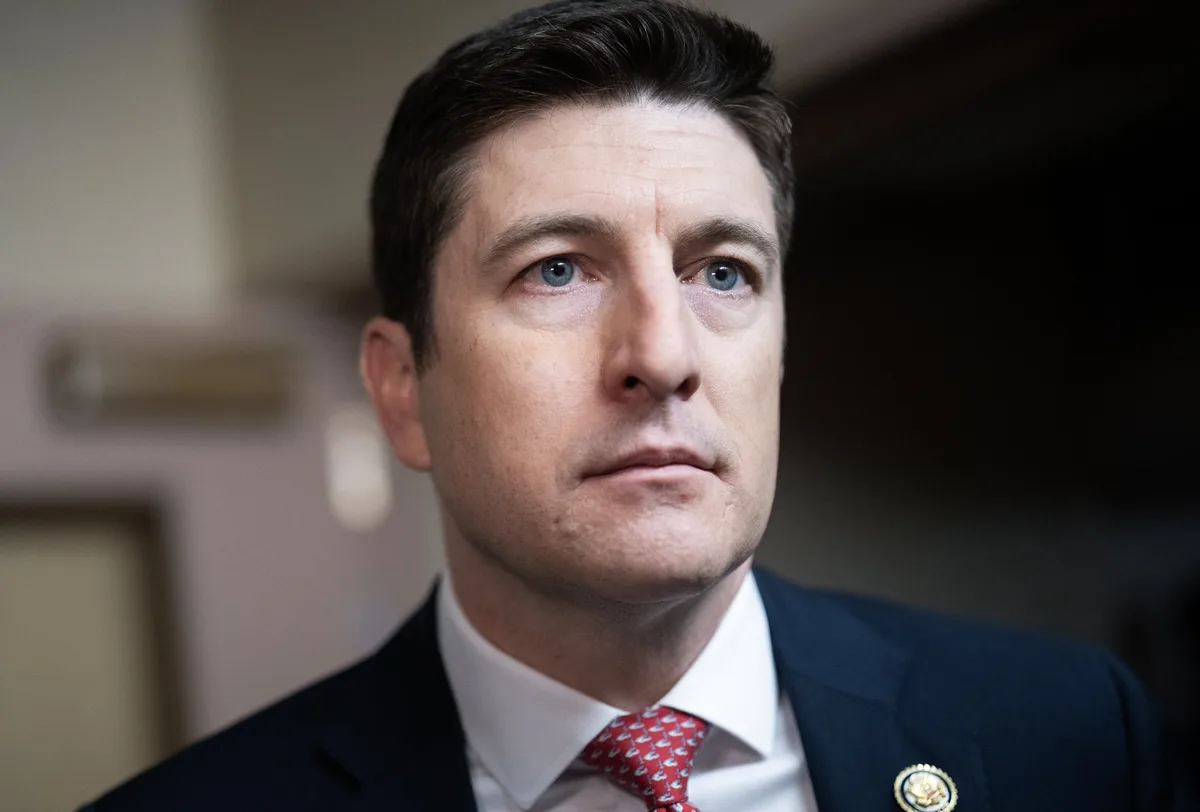
A House Republican is pressing forward with legislation that would prohibit members of Congress from placing bets on political prediction markets, a move that reflects intensifying concern about the intersection of insider knowledge and financial speculation in Washington. Rep. Bryan Steil's proposal arrives at a moment when platforms such as Kalshi and Polymarket have attracted mainstream attention and significant trading volume around electoral and policy outcomes.
The core ethical tension driving the bill is straightforward: lawmakers who help shape policy outcomes hold an inherently advantageous position when wagering on whether those same outcomes will occur. Critics argue that even passive participation in such markets by elected officials creates an appearance of self-dealing that erodes public trust, regardless of whether any explicit rules are broken.
Read more Ireland Issues First Crypto Risk Assessment in Seven Years →
Prediction markets have surged in prominence in recent years, transitioning from niche financial instruments to widely cited forecasting tools during election cycles. Their growing legitimacy — and the real money now flowing through them — has made the question of whether public officials should be permitted to participate a pressing one for ethics watchdogs and legislators alike.
Steil's push mirrors earlier bipartisan momentum around restricting members of Congress from trading individual stocks, a debate that ultimately stalled despite broad public support for stricter conflict-of-interest rules. Whether this new proposal gains more traction will depend on leadership priorities and the appetite among colleagues to subject themselves to additional financial disclosure requirements.
The broader pattern here is one of legislative ethics frameworks struggling to keep pace with rapidly evolving financial markets. As prediction platforms expand beyond elections into policy and economic events, the potential for congressional conflicts of interest only widens. Continue reading at US Top News and Analysis.