How an Iran Deal Could Push Gas Prices Below $4 a Gallon
A potential U.S.-brokered end to conflict involving Iran could ease oil supply pressure. Here's what drivers should realistically expect at the pump.

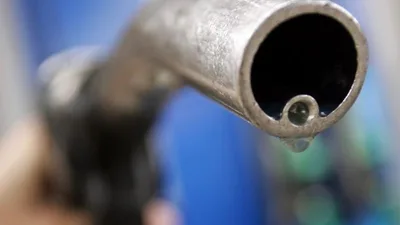
Gasoline prices are hovering just above $4 per gallon on average nationally — a threshold that carries outsized psychological weight for American consumers and policymakers alike. When prices breach that level, spending behavior shifts, inflation expectations rise, and political pressure on the White House intensifies. The timing of any relief, then, matters enormously.
The prospect of a U.S.-brokered deal to end hostilities connected to Iran has rekindled hopes that global oil supply constraints could ease. Iran holds significant crude reserves, and any diplomatic resolution that lifts sanctions or restores export flows would add meaningful volume to world markets. More supply, in a market already sensitive to geopolitical signals, tends to translate into lower crude benchmarks — and eventually, lower prices at the pump.
Read more What Trump's Trust in Fed Chair Kevin Warsh Really Means →
But the transmission from a diplomatic agreement to actual savings for drivers is rarely immediate. Crude prices respond quickly to geopolitical news, often within hours of a credible announcement. Refined gasoline, however, moves through a longer supply chain — refineries, pipelines, terminals, and finally retail stations — meaning the lag between a crude price drop and a visible change on the station sign can stretch from days to several weeks depending on regional market conditions.
Analysts watching the Iran situation are also cautioning that the $4 average masks significant regional variation. Drivers in California and the Pacific Northwest routinely pay well above that figure regardless of global oil dynamics, while those in Gulf Coast states often see prices a dollar or more lower. Any relief from an Iran deal would likely be felt unevenly across the country, with the biggest proportional benefit in markets most tightly linked to global crude benchmarks.
For now, the $4 level serves as a useful barometer of market stress and consumer anxiety. Whether diplomacy can deliver sustained relief depends on deal durability, OPEC's response, and how quickly Iranian barrels can return to global trade — none of which are guaranteed. Continue reading at MarketWatch.com