What Trump's Trust in Fed Chair Kevin Warsh Really Means
Kevin Warsh is expected to hold rates steady, but Trump's confidence in the new Fed chair opens the door to deeper institutional changes.
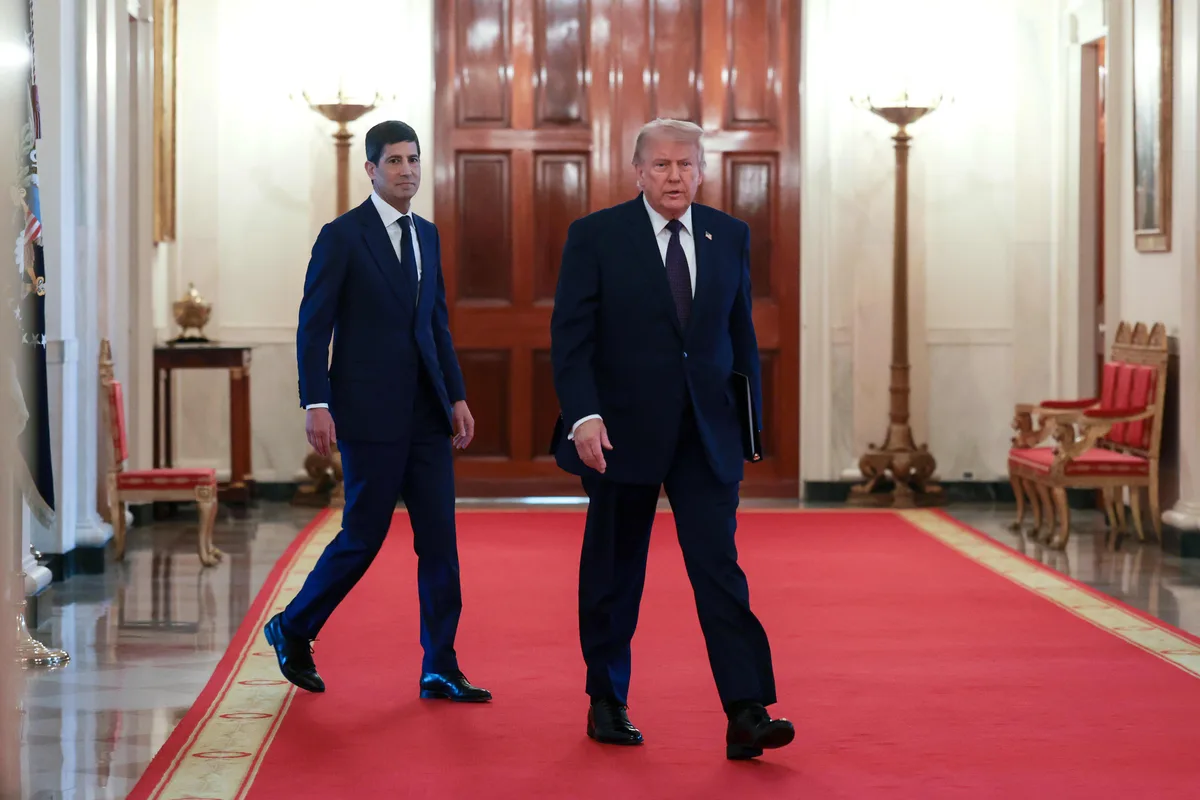
When a new Federal Reserve chair takes the helm, markets and analysts instinctively focus on the near-term interest rate decision. For Kevin Warsh, the expectation heading into his first policy meeting is straightforward: hold rates steady. But the more consequential story is not what Warsh will do this week — it is what he may be positioned to do over the longer arc of his tenure, and why.
The critical variable here is trust. President Donald Trump, who has historically been vocal — and frequently combative — about Federal Reserve policy, appears to regard Warsh with a degree of confidence that is notably different from his fraught relationship with previous Fed leadership. That trust is not merely a personality footnote; it has structural implications. A Fed chair who operates with White House goodwill faces a fundamentally different political environment than one who must constantly defend the institution's independence against executive pressure.
Read more How an Iran Deal Could Push Gas Prices Below $4 a Gallon →
That dynamic matters because the Federal Reserve is not just a rate-setting body. It is a regulatory powerhouse, a key player in financial stability oversight, and the architect of monetary frameworks that shape how trillions of dollars flow through the economy. A Fed chair with political capital to spare — and a president inclined to listen — is better positioned to push through institutional reforms, shift supervisory postures, or reframe how the central bank communicates its long-term goals.
For everyday Americans, the stakes extend well beyond mortgage rates or savings yields. The Fed's regulatory decisions influence bank lending standards, the availability of credit, and the resilience of the financial system to future shocks. Changes to its operating philosophy, even gradual ones, can take years to fully materialize in household balance sheets — which is precisely why the trust dynamic between Trump and Warsh deserves as much attention as any single rate decision.
Whether Warsh chooses to use that political latitude conservatively or ambitiously remains to be seen, but the conditions for meaningful change at the Fed appear more present now than they have been in years. Continue reading at US Top News and Analysis.