Inside GE Vernova's Gas Turbines Fueling the AI Data Center Surge
GE Vernova's massive gas turbines are becoming the power backbone of AI infrastructure, landing deals with xAI and Microsoft.
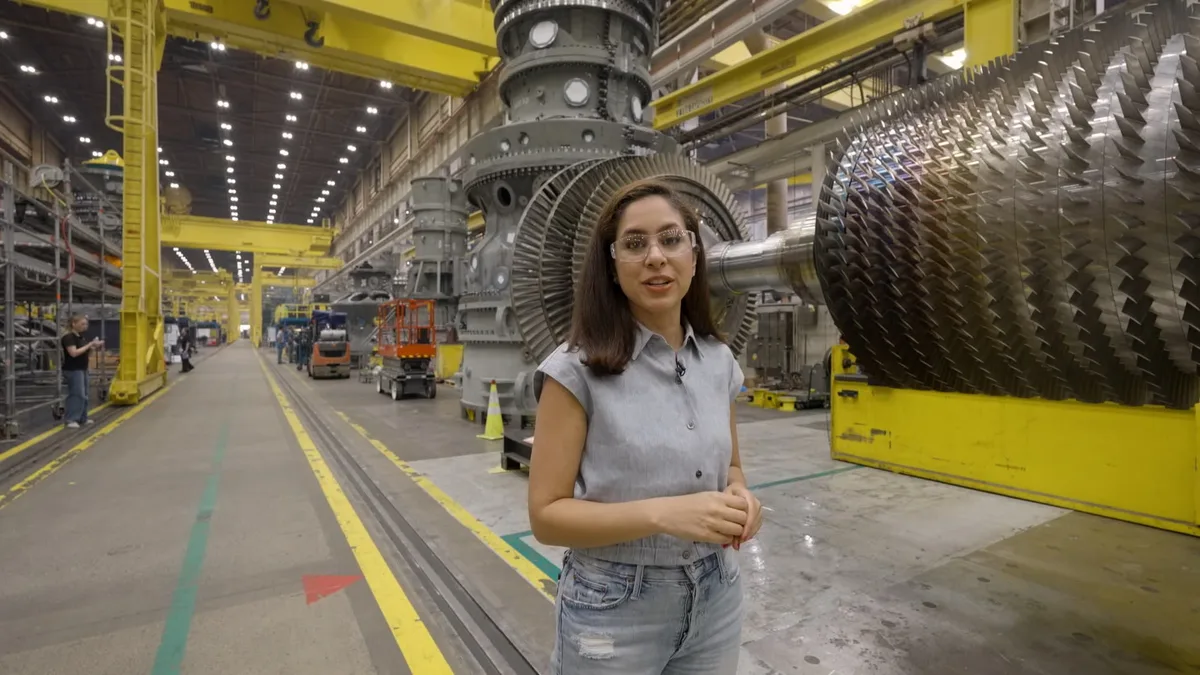
As artificial intelligence data centers multiply at a pace that strains the electrical grid, one industrial manufacturer is emerging as a quiet but essential enabler: GE Vernova. The company's large-scale gas turbines are increasingly the power source of choice for tech giants racing to build compute-heavy facilities that consume electricity at industrial scale.
The reach of GE Vernova's machines is already visible in some of the most high-profile AI projects underway. Elon Musk's xAI is relying on GE Vernova turbines to power its Colossus 1 data center, a facility designed to run some of the most demanding AI workloads in existence. Meanwhile, Microsoft has purchased seven GE Vernova turbines to supply electricity to a data center it is developing in Texas, signaling that this is not a one-off arrangement but a broader strategic shift in how hyperscalers approach energy procurement.
Read more Eli Lilly and BioArctic Team Up in New Research Pact →
The underlying logic is straightforward: AI model training and inference require constant, reliable, and enormous quantities of power that utility grids in many regions simply cannot guarantee on the timelines tech companies demand. Gas turbines offer on-site generation that bypasses grid bottlenecks, giving operators direct control over their energy supply. For GE Vernova, the AI infrastructure boom represents a structural tailwind that could sustain turbine demand well beyond normal industrial cycles.
What makes this moment significant is the convergence of two industries — advanced computing and heavy manufacturing — that rarely intersected so directly before. The scale of investment suggests that energy independence, not just energy efficiency, is becoming a core design principle for next-generation data centers. GE Vernova's order book may be one of the clearest real-world indicators of how seriously the tech sector is taking its power problem.
Continue reading at US Top News and Analysis.