Kohl's Fall From Retail Giant to Turnaround Story
Once a staple of American shopping, Kohl's has struggled to stay relevant and is now attempting a significant strategic reset.
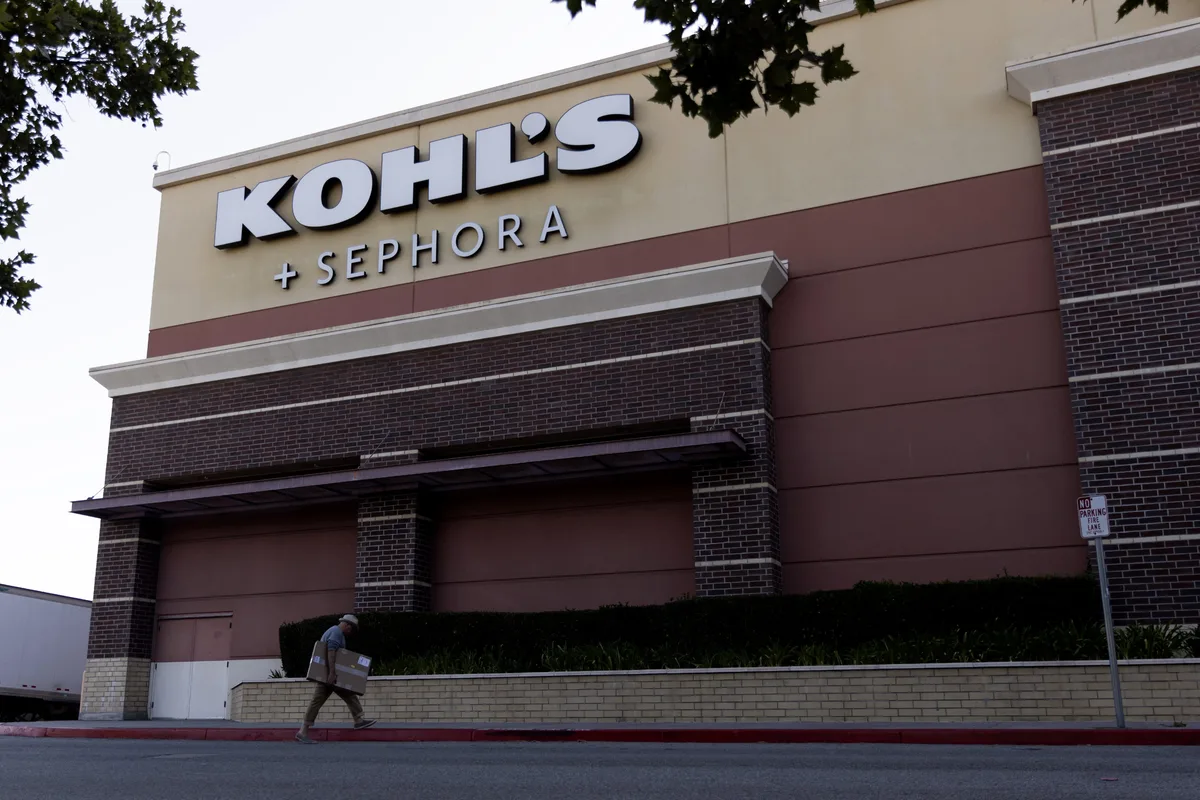
For decades, Kohl's occupied a reliable middle lane in American retail — affordable enough for budget-conscious families, yet polished enough to feel like a step above a discount store. That positioning, once a strength, gradually became a liability as the competitive landscape shifted beneath it. The rise of e-commerce giants, fast-fashion disruptors, and off-price retailers like TJ Maxx squeezed Kohl's from multiple directions simultaneously, eroding both its customer base and its identity.
The company's stock performance has reflected that erosion in stark terms, declining sharply as investors grew skeptical of management's ability to articulate — and execute — a coherent strategy. Losing relevancy in retail is rarely a sudden event; it is typically the compounding result of missed trend cycles, supply chain misalignment, and a failure to understand how a core customer's tastes and habits have evolved. Kohl's appears to have experienced all three.
Read more Software-Defined Cars Promise Innovation but Raise Longevity Questions →
What makes the Kohl's situation analytically interesting is the degree to which it mirrors broader struggles facing mid-tier department store retail. The category has been hollowed out as consumers polarize toward either premium experiences or unbeatable value — leaving less room for brands that try to straddle both. Kohl's lost ground with the suburban parent demographic that once made it a go-to destination, without successfully replacing that shopper with a new or younger cohort.
Now the company is in active turnaround mode, attempting to rebuild relevancy through a mix of merchandising changes, strategic partnerships, and a sharper focus on what it can credibly own in the marketplace. Whether those efforts will be enough to reverse years of drift remains an open question — turnarounds in retail are notoriously difficult, and the window for meaningful repositioning narrows with each passing quarter of declining traffic.
The Kohl's story is ultimately a cautionary tale about the dangers of complacency in a sector where consumer loyalty is perpetually up for renegotiation. Continue reading at US Top News and Analysis.