Software-Defined Cars Promise Innovation but Raise Longevity Questions
Automakers tout software-driven vehicles as superior to older models, but analysts are questioning how long these tech-heavy cars will actually last.
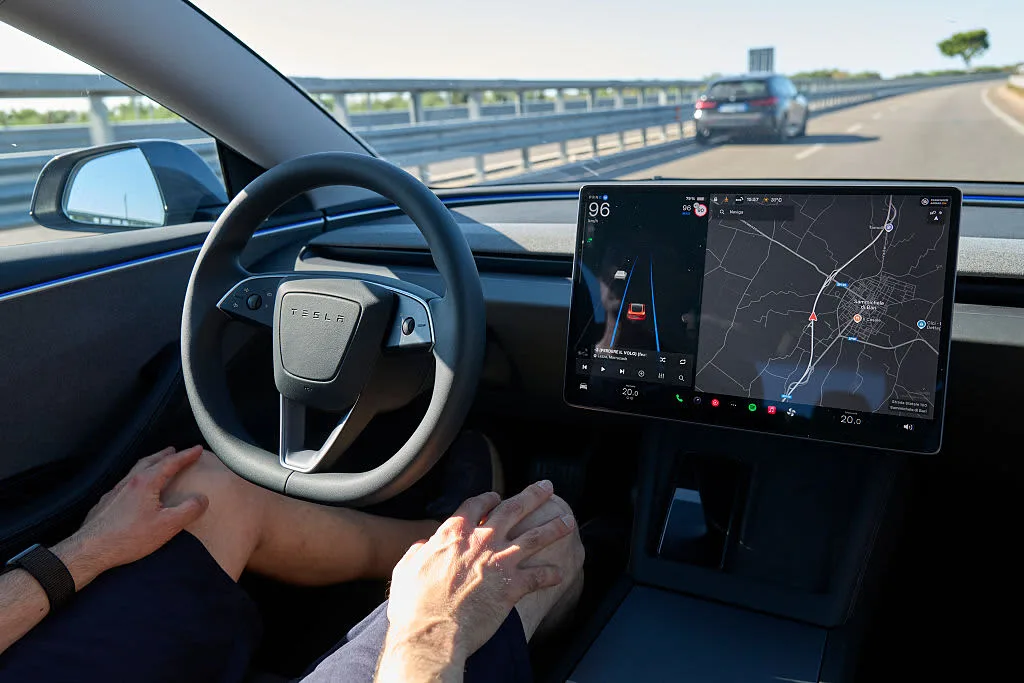
The automotive industry is undergoing one of its most fundamental shifts in generations, moving from mechanically dominated vehicles toward cars whose core functions are governed by software. Automakers have embraced this transition enthusiastically, arguing that over-the-air updates, adaptive features, and continuous improvements give software-defined vehicles a decisive edge over their predecessors. For many consumers, the appeal is real: a car that gets meaningfully better after purchase is a genuinely new proposition in a market where depreciation has historically been inevitable.
Yet the industry's confidence in the concept has not fully resolved a more practical and pressing question — how long will these vehicles actually hold up? Analysts are raising concerns that the very complexity making software-defined cars attractive could also make them more vulnerable over time. Unlike a combustion engine whose lifespan is relatively well understood after more than a century of engineering, the durability of integrated software ecosystems, proprietary chips, and dependent connectivity infrastructure remains largely uncharted territory.
Read more Nvidia Backs $105 Billion OpenAI Data Center Deal in Ohio →
The tension here is not merely technical. It carries significant economic and policy implications. If software-defined vehicles have materially shorter useful lives than traditional cars, the total cost of ownership calculus changes dramatically for buyers. It also raises questions about electronic waste, repairability, and whether independent mechanics will be able to service these vehicles as manufacturers eventually discontinue software support — a concern familiar to anyone who has watched an older smartphone become functionally obsolete.
Automakers, for their part, have not yet provided clear answers about expected software lifecycle commitments or what happens to a vehicle when its underlying platform is no longer supported. The industry is, in a meaningful sense, building a new category of product without a fully established framework for what ownership means across a decade or more. That ambiguity is worth watching closely as adoption accelerates and the first generation of software-defined vehicles begins to age in the real world.
Continue reading at US Top News and Analysis.