Trump Warns Iran as Hormuz Shipping Plunges Amid Expiring Ceasefire
A U.S.-Iran ceasefire expires Monday with no deal reached, as Strait of Hormuz shipping traffic hits a new low.
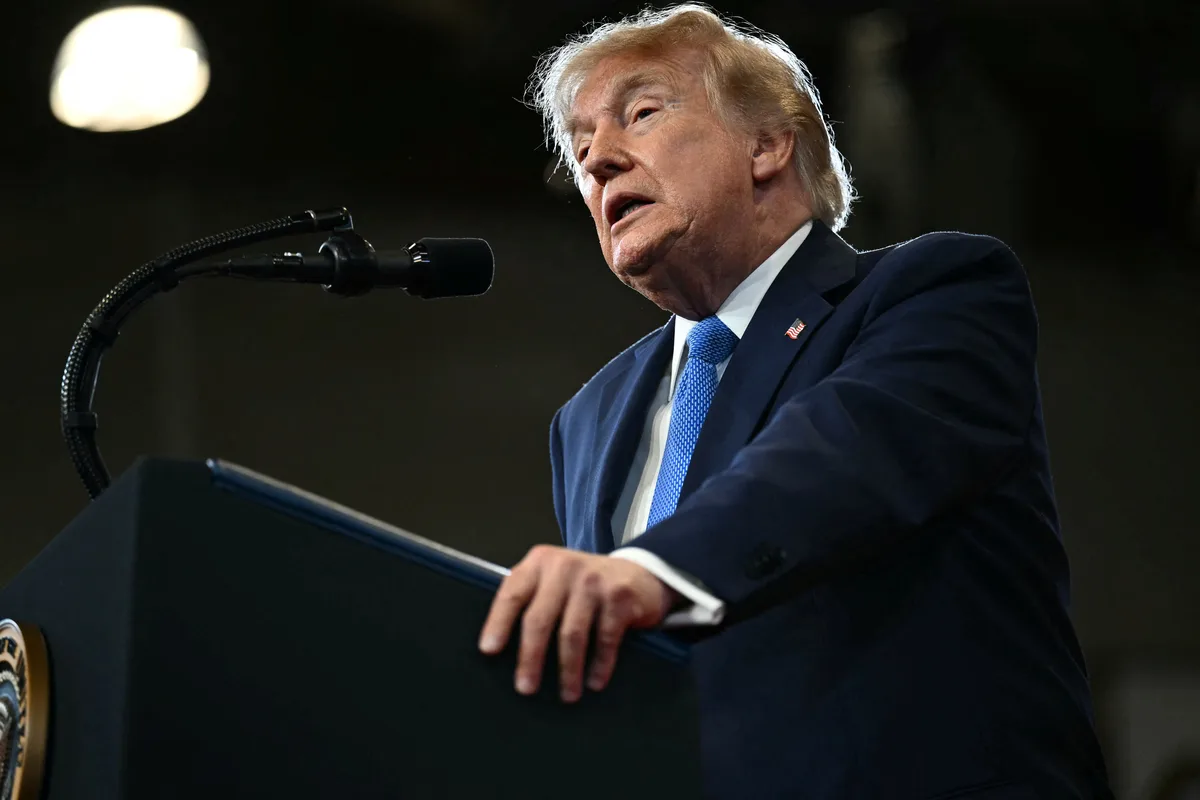
The window for a negotiated resolution between Washington and Tehran is closing fast. A ceasefire between the United States and Iran is set to expire Monday, and the Trump administration has signaled it will not extend the truce, raising the specter of renewed hostilities in one of the world's most strategically sensitive waterways.
President Trump escalated his rhetoric further by threatening to bomb Oman if the Gulf nation interferes — a striking warning directed at a country that has historically served as a quiet diplomatic back channel between the U.S. and Iran. The threat underscores the administration's willingness to expand the scope of confrontation well beyond the bilateral dispute with Tehran.
Read more Trump Set to Meet Crypto CEOs at White House, Sources Say →
The economic stakes are considerable. Shipping traffic through the Strait of Hormuz has already fallen to a new low — a market signal that reflects deep uncertainty among carriers, insurers, and commodity traders about what comes next. The Strait of Hormuz is the critical chokepoint through which a significant share of the world's seaborne oil passes, meaning any escalation there reverberates quickly through global energy markets.
The confluence of expiring diplomacy, bellicose presidential warnings, and collapsing maritime activity paints a picture of a region bracing for an unpredictable outcome. Whether the ceasefire's expiration triggers active confrontation or simply resets the pressure campaign remains to be seen, but the lack of any reported deal structure suggests the gap between the two sides remains wide. Analysts watching the region will be focused on whether Iran chooses to respond to the deadline with restraint or provocation.
Continue reading at US Top News and Analysis