Iran Tells US It Won't Seek Strait of Hormuz Tolls, Trump Says
President Trump says Iran has communicated to the US that it is not pursuing toll collection at the critical Strait of Hormuz shipping lane.

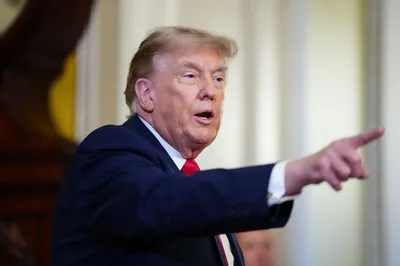
President Donald Trump announced that Iran has directly communicated to the United States that it has no intention of imposing tolls on vessels transiting the Strait of Hormuz, the narrow waterway that serves as the world's most critical chokepoint for oil shipments. The disclosure suggests a degree of back-channel contact between Washington and Tehran at a moment when the two governments remain at odds over Iran's nuclear program and broader regional influence.
The Strait of Hormuz, which separates Iran from the Arabian Peninsula, carries roughly 20 percent of the world's oil supply. Any attempt to restrict or monetize passage there would send immediate shockwaves through global energy markets and trigger alarms among major importers in Asia and Europe. The mere suggestion of toll-seeking had drawn international concern, making Iran's apparent denial diplomatically significant regardless of its underlying motivations.
Read more IAEA Chief Confirms Iran Inspections Will Proceed Amid Talks →
Trump's statement, while brief, carries meaningful analytical weight. It implies that some form of communication channel — formal or informal — exists between the two adversaries even amid escalating nuclear negotiations and continued US sanctions pressure. Whether that channel represents a quiet diplomatic opening or a narrow tactical exchange remains unclear, but the message itself functions as a de-escalatory signal at a sensitive moment.
Analysts will note that Iran has historically used the threat of Hormuz disruption as a leverage tool during periods of maximum pressure from Washington. A public denial of toll intentions, conveyed through the US president, suggests Tehran may be calibrating its posture to avoid triggering a harder international response while nuclear talks remain unresolved. The strategic ambiguity Iran typically maintains around the strait appears, at least for now, to be giving way to direct reassurance.
Continue reading at Reuters