Iran Warns Ships: Strait of Hormuz Requires Tehran's Approval
Iran issued a stark warning to vessels transiting the Strait of Hormuz without its authorization, signaling renewed pressure on a critical global chokepoint.
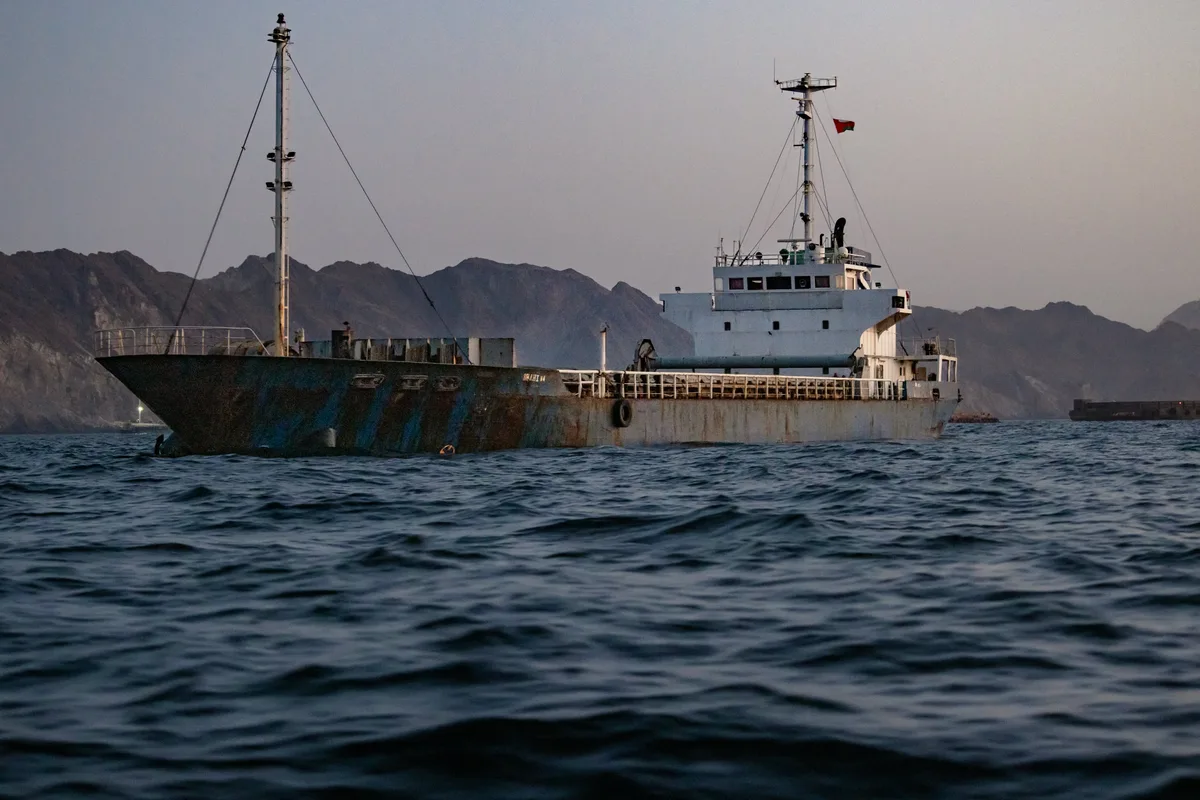
Iran has issued a pointed warning to international shipping, declaring that transiting the Strait of Hormuz without Tehran's explicit approval is "unacceptable and dangerous." The message reflects the Islamic Republic's longstanding insistence that it holds meaningful authority over one of the world's most strategically vital waterways — a claim that puts it in direct tension with international maritime law, which generally guarantees the right of transit passage through internationally recognized straits.
The Strait of Hormuz is not a peripheral concern for global markets. Roughly 20 percent of the world's traded oil flows through this narrow passage between Iran and Oman, making it an irreplaceable artery for energy exports from Saudi Arabia, the United Arab Emirates, Kuwait, Iraq, and Iran itself. Any credible threat to shipping in the strait carries immediate implications for oil prices, insurance premiums, and the broader calculus of energy security.
Read more Trump Says Fault for Iran Girls' School Strike May Never Be Clear →
Tehran's warning underscores its resolve to resist what it characterizes as unauthorized transits — a framing that raises serious questions about how Iran intends to enforce such a posture and whether it would move beyond rhetoric toward interdiction of vessels. Iran has a documented history of seizing or harassing commercial tankers, particularly during periods of heightened geopolitical tension, using both its navy and the Islamic Revolutionary Guard Corps Navy.
The timing and assertiveness of the warning signal that Iran views control over the strait as a leverage point — one it can activate in response to international sanctions pressure, diplomatic standoffs, or regional military developments. For shipping companies and energy markets, the statement is a reminder that the strait remains a structural vulnerability in the global supply chain, where geopolitical risk can materialize with little warning.
Continue reading at US Top News and Analysis.