Japan Moves to Reclassify Crypto as a Financial Asset
Japan is reshaping its crypto regulatory framework, reclassifying digital assets and opening the door to significant tax relief for investors.
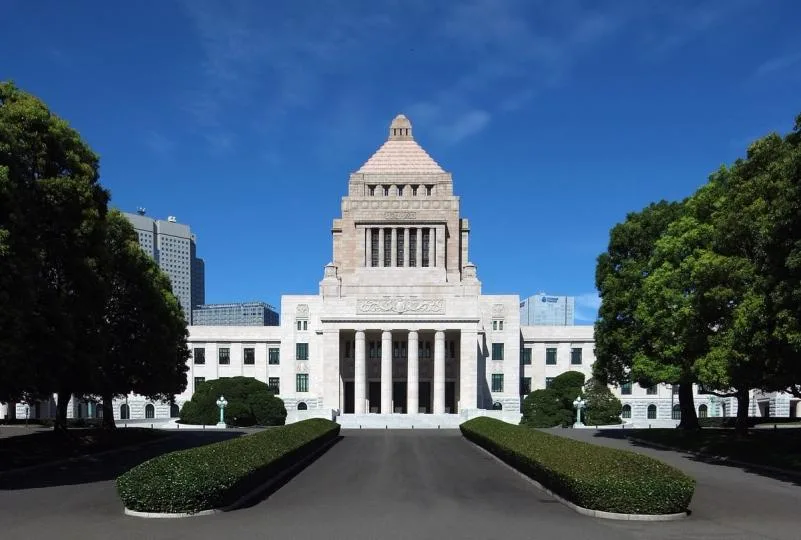
Japan is undertaking a meaningful shift in how it treats cryptocurrency, moving to formally reclassify digital assets as financial instruments rather than a separate, loosely defined category. This regulatory repositioning signals that Japanese policymakers increasingly view crypto not as a speculative novelty but as a legitimate component of the broader financial system — a distinction that carries real consequences for how gains are taxed and how institutional players can participate.
The reclassification matters in part because Japan's existing tax treatment of crypto profits has long been a friction point for investors and businesses alike. Under the current framework, crypto gains can be subject to rates as high as 55 percent when treated as miscellaneous income, one of the steepest burdens among developed economies. Moving crypto into a recognized financial asset category would open the pathway toward a separate, flat capital gains tax rate more in line with what equity investors pay — a change that crypto advocates and financial industry groups have lobbied for persistently.
Read more Netflix Prices Rose 29% in a Year — Is Regulation Overdue? →
For Japan's broader financial ambitions, this moment is also strategic. Tokyo has been positioning itself as a crypto-friendly hub in the Asia-Pacific region, competing with Singapore and Hong Kong for blockchain talent, exchange headquarters, and institutional liquidity. A tax regime that penalizes crypto gains relative to stocks undercuts that pitch, and regulators appear to have recognized the inconsistency.
The policy shift also reflects a wider global trend in which governments are moving away from ad hoc crypto regulation toward frameworks that integrate digital assets into existing financial law. Whether through the EU's Markets in Crypto-Assets regulation or evolving U.S. Securities and Exchange Commission guidance, the direction is consistent: crypto is being absorbed into mainstream finance, with the regulatory complexity that entails. Japan's move accelerates that trajectory in one of the world's largest economies.
Continue reading at CoinDesk.