Netflix Prices Rose 29% in a Year — Is Regulation Overdue?
Netflix's rapid price hikes have drawn Wall Street praise but are now attracting scrutiny from policymakers in Washington.
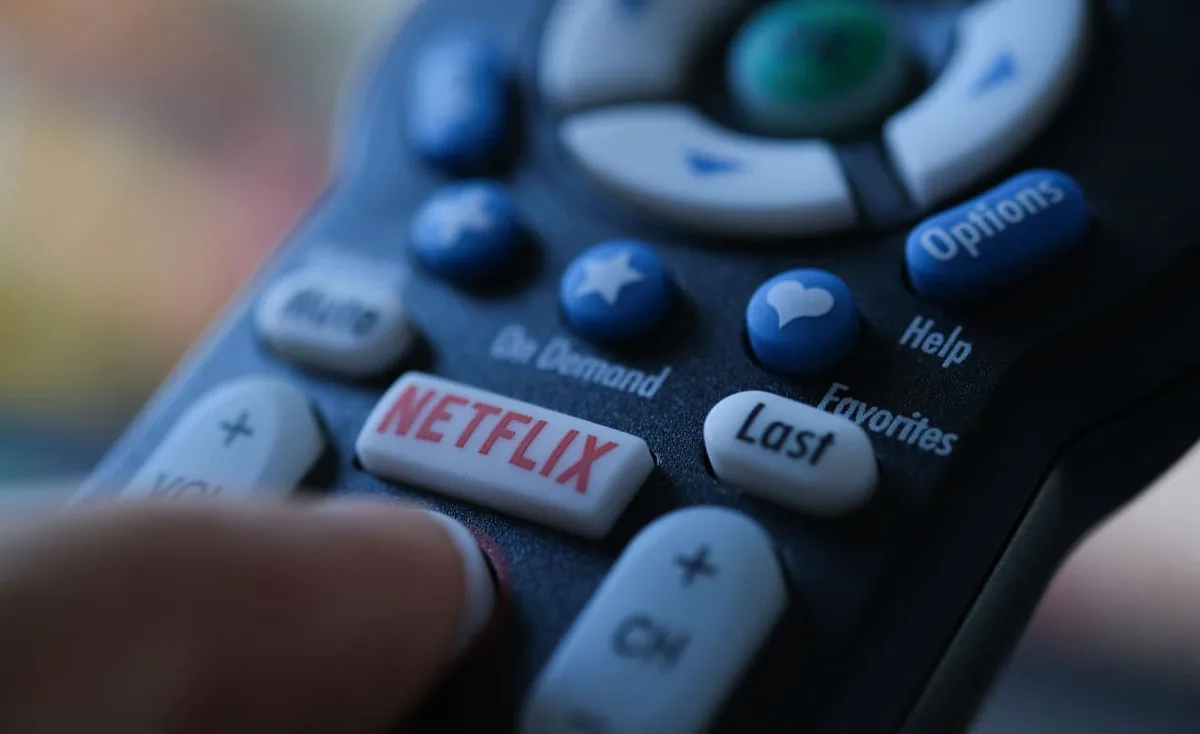
Netflix has become one of the more striking examples of what critics call pricing power run amok in the streaming industry. Over the span of roughly a year, subscribers have seen their monthly bills climb by approximately 29% — a rate of increase that far outpaces broader inflation and has begun to attract serious attention from consumer advocates and federal regulators alike.
For Wall Street, the price hikes tell a different story. Investors have largely rewarded Netflix for its willingness to monetize its dominant market position, viewing subscription increases as evidence of a company that has successfully transitioned from a growth-at-all-costs model to one focused on profitability and margin expansion. That calculus has kept Netflix a darling of institutional portfolios even as household budgets tighten.
Read more Senate Group's Social Security Proposal Is a Framework, Not a Fix →
The tension between investor enthusiasm and consumer frustration is precisely what makes Netflix a compelling case study for regulators. As streaming has matured from a disruptive challenger to an entrenched utility-like service in millions of homes, the policy rationale for oversight has strengthened. When a single platform commands the kind of cultural and market footprint Netflix does, price increases stop being purely a business story and start resembling a public-interest concern.
Washington has historically been slow to engage with digital media markets, preferring to let competition serve as the primary check on pricing. But with consolidation accelerating across the broader entertainment landscape, the competitive pressure that was supposed to discipline platforms like Netflix has arguably weakened rather than strengthened over time. That structural shift may be what finally prompts regulators to treat streaming subscription pricing as a domain worthy of formal scrutiny.
Whether any regulatory framework would meaningfully constrain Netflix's pricing decisions remains an open question — the legal and political pathways are neither obvious nor quick. But the convergence of aggressive price increases and growing bipartisan skepticism of Big Tech and Big Media suggests the window for self-regulation may be narrowing. Continue reading at MarketWatch.com