JPMorgan: Amazon Prime Delivers 10x Value Over Its Annual Fee
A JPMorgan analysis argues Prime members receive far more value than they pay, making a strong case for a future price increase.
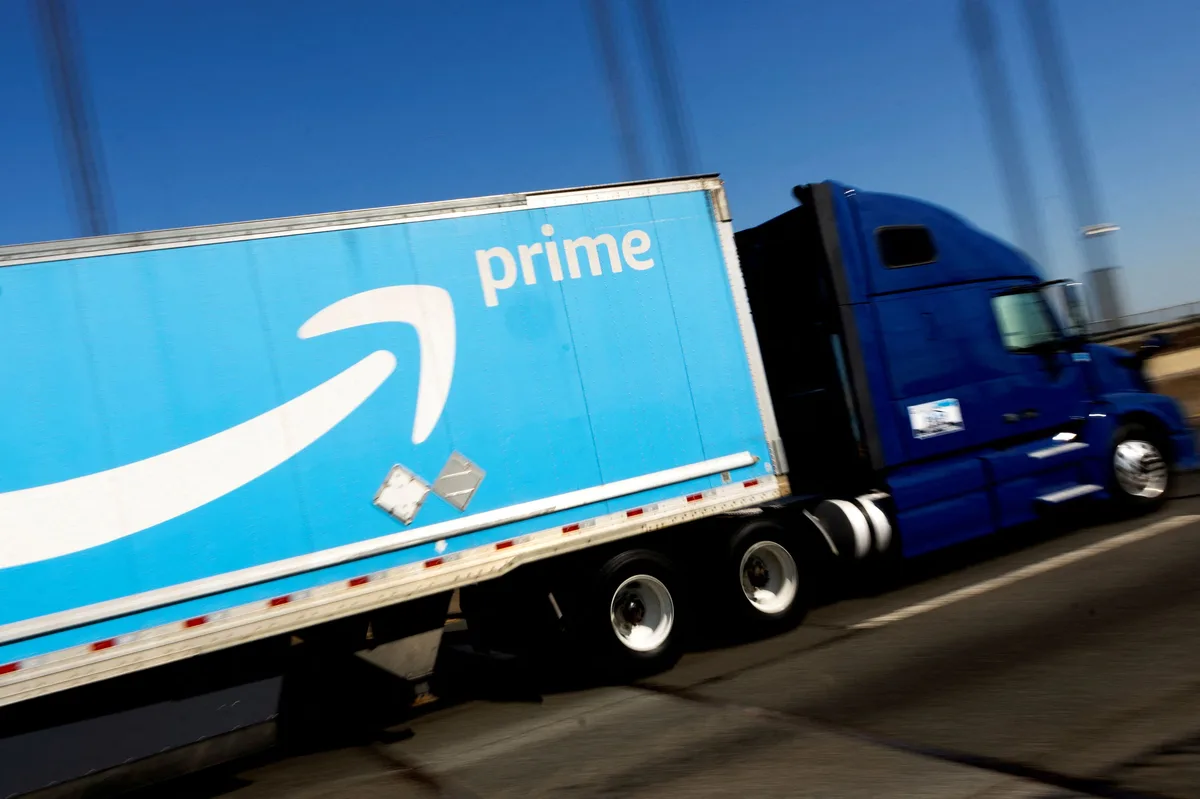
Amazon Prime may be quietly one of the most underpriced subscription bundles in American consumer life, according to a new analysis from JPMorgan. The bank's analysts contend that the total value members extract from the program — spanning free shipping, streaming video, music, grocery discounts, and more — is roughly ten times what they actually pay in annual membership fees. That gap between perceived cost and delivered value is an unusual position for any subscription product to occupy, and it carries significant strategic implications for Amazon.
The timing of this assessment matters. Prime's subscriber base has matured considerably in the United States, where penetration among households is already high and meaningful new-member growth is increasingly difficult to generate organically. When a product simultaneously reaches saturation and can credibly argue it is undervalued, the logic for a price increase becomes harder for management to ignore. Amazon has raised Prime fees before — most recently to $139 annually — and JPMorgan's framing effectively gives the company analytical cover to do so again without triggering significant member backlash.
Read more Kalshi Eyes $40 Billion Valuation in Prediction Market Surge →
For investors, the calculus is straightforward: if members are receiving ten dollars of value for every dollar paid, even a modest fee hike would likely see limited churn while meaningfully expanding the revenue line attached to one of Amazon's most strategically important customer-retention tools. Prime is not merely a logistics perk — it functions as the adhesive that keeps consumers anchored within Amazon's broader commerce and media ecosystem, making retention metrics as important as any individual revenue figure.
The broader context here is that subscription businesses across the economy are under pressure to justify their pricing as consumers grow more selective. Amazon's position, if JPMorgan's valuation holds up to scrutiny, is enviable: a bundle so embedded in daily routines that fee elasticity remains relatively low. Whether Amazon acts on that leverage in the near term remains an open question, but the analytical groundwork appears to be in place. Continue reading at US Top News and Analysis.