Kalshi CEO Eyes Future IPO But Rules Out 2025 Listing
Prediction market startup Kalshi is thinking about going public, but its CEO says an IPO won't happen this year.
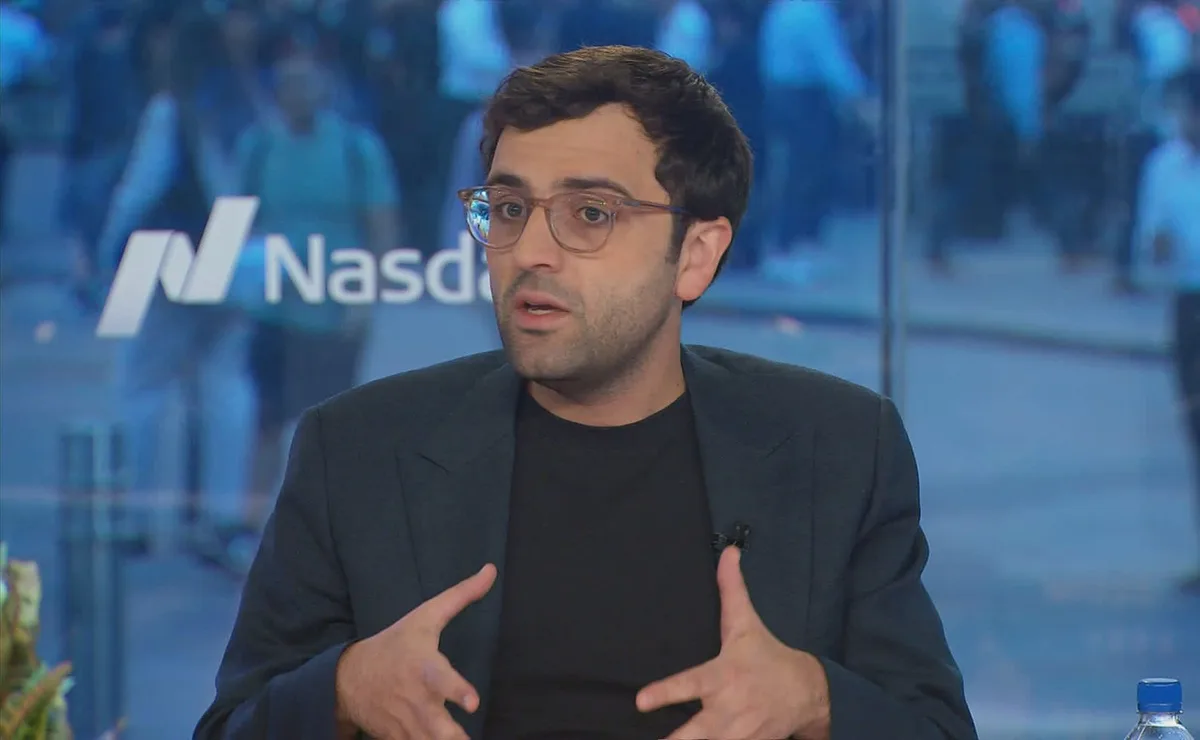
Kalshi, the regulated prediction market platform that has drawn significant attention for allowing Americans to bet on real-world events ranging from elections to economic indicators, is beginning to set its sights on the public markets — though not imminently. CEO Tarek Mansour told CNBC's "Squawk Box" that exploring an initial public offering makes sense given where the company currently stands in its development, even as he made clear that a debut this year is off the table.
Mansour's comments signal a maturation moment for Kalshi, which has spent years fighting regulatory battles to establish itself as a legitimate financial exchange. The company secured a landmark legal victory that allowed it to offer contracts on U.S. election outcomes, a decision that fundamentally expanded what prediction markets can do in this country. That regulatory clarity, combined with surging user interest ahead of major political and economic events, appears to have strengthened the company's confidence about its longer-term trajectory.
Read more Kalshi Eyes $40 Billion Valuation in Prediction Market Surge →
For a firm at Kalshi's stage — still privately held but no longer a pure startup — the logic of mulling an IPO is straightforward. Public markets offer liquidity for early investors, a currency for acquisitions, and a brand legitimacy that can accelerate institutional adoption. The fact that Mansour is willing to discuss it publicly, even in broad terms, suggests internal metrics are trending in a direction that makes the conversation credible rather than aspirational.
Still, timing matters enormously. Market conditions for fintech and exchange-model businesses have been uneven, and the regulatory environment around prediction markets, while improving, remains a work in progress. By signaling interest without committing to a timeline, Kalshi preserves flexibility while beginning to shape a public narrative around growth and staying power.
Continue reading at US Top News and Analysis.