LGBTQ+ Shoppers Redirect Spending Over DEI Stance Shifts
A new HRC survey finds LGBTQ+ consumers pulling dollars from Target, Walmart, and Amazon amid perceived rollbacks on DEI commitments.
A survey from the Human Rights Campaign is drawing fresh attention to how corporate diversity, equity, and inclusion decisions translate directly into consumer behavior — and the financial stakes for major retailers appear significant. LGBTQ+ consumers, long recognized as a demographically distinct and economically active group, are increasingly making purchasing decisions based on whether brands are perceived as advancing or abandoning DEI principles.
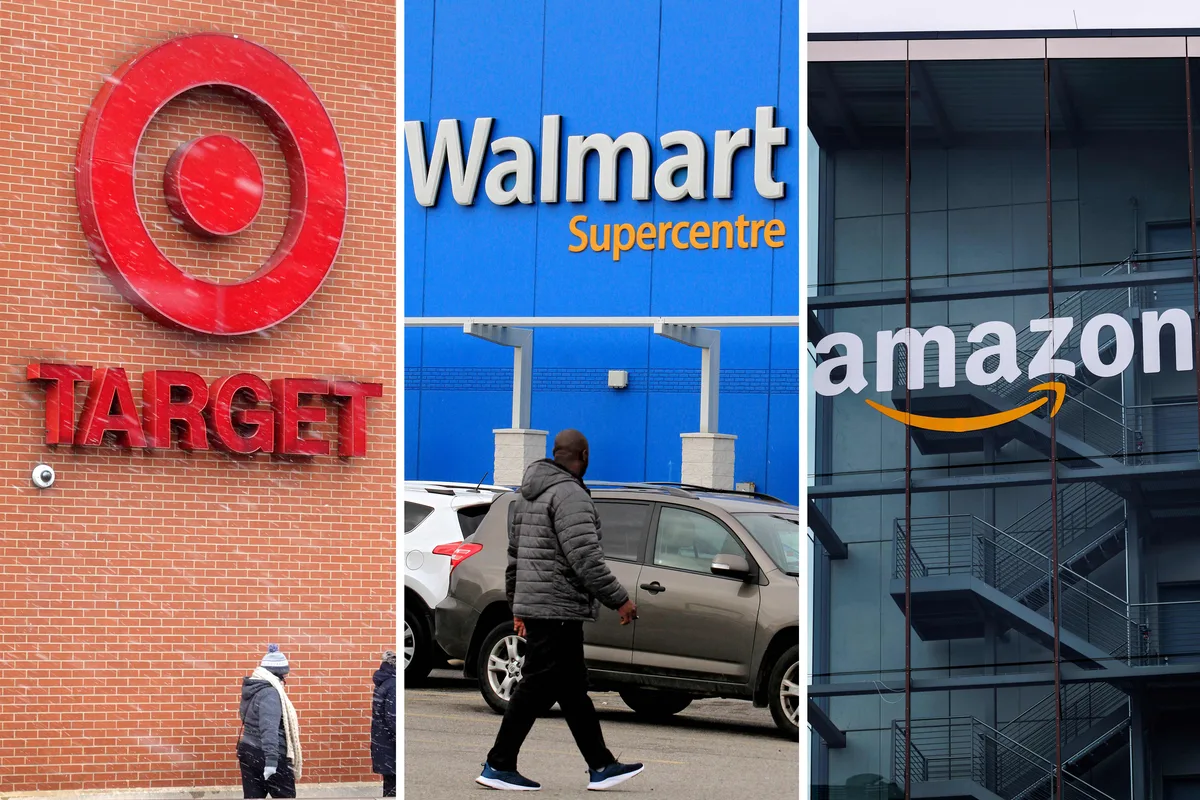
Target, Walmart, and Amazon are among the prominent names cited in the HRC survey as losing ground with LGBTQ+ shoppers. All three companies have faced scrutiny in recent months following high-profile adjustments to their internal DEI programs, decisions that critics argue signal a retreat from earlier public commitments to inclusion. The survey suggests those perceptions are not going unnoticed in consumers' wallets.
Read more Why Standard Security Audits Fall Short for Crypto Platforms →
What makes this moment analytically distinct is the broader context in which it is unfolding. Corporate America has experienced a wave of DEI program rollbacks since early 2025, driven in part by political pressure and shifting legal interpretations following recent Supreme Court rulings on affirmative action. For retailers that cultivated LGBTQ+ loyalty through visible Pride-month campaigns and inclusive workplace policies, any perception of reversal carries reputational and revenue risk that may extend beyond this demographic alone.
The HRC data points to a countervailing trend as well: brands viewed as maintaining or strengthening DEI commitments are reportedly gaining favor with LGBTQ+ consumers. This creates a bifurcation in the retail landscape where DEI positioning functions less as a values statement and more as a market differentiator — one with measurable consequences on spending patterns. For executives weighing the political cost of maintaining DEI programs against the consumer cost of dropping them, the calculus is becoming harder to avoid.
Continue reading at US Top News and Analysis