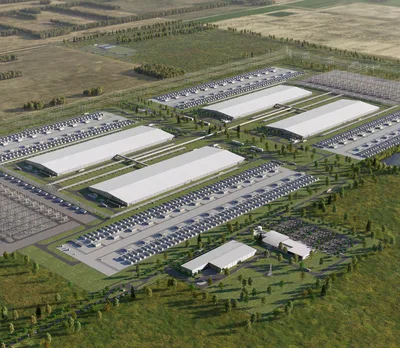
Meta Breaks Ground on First Major Canadian Data Center
Meta's Canadian data center marks a significant cross-border expansion of its AI infrastructure ambitions beyond the United States.
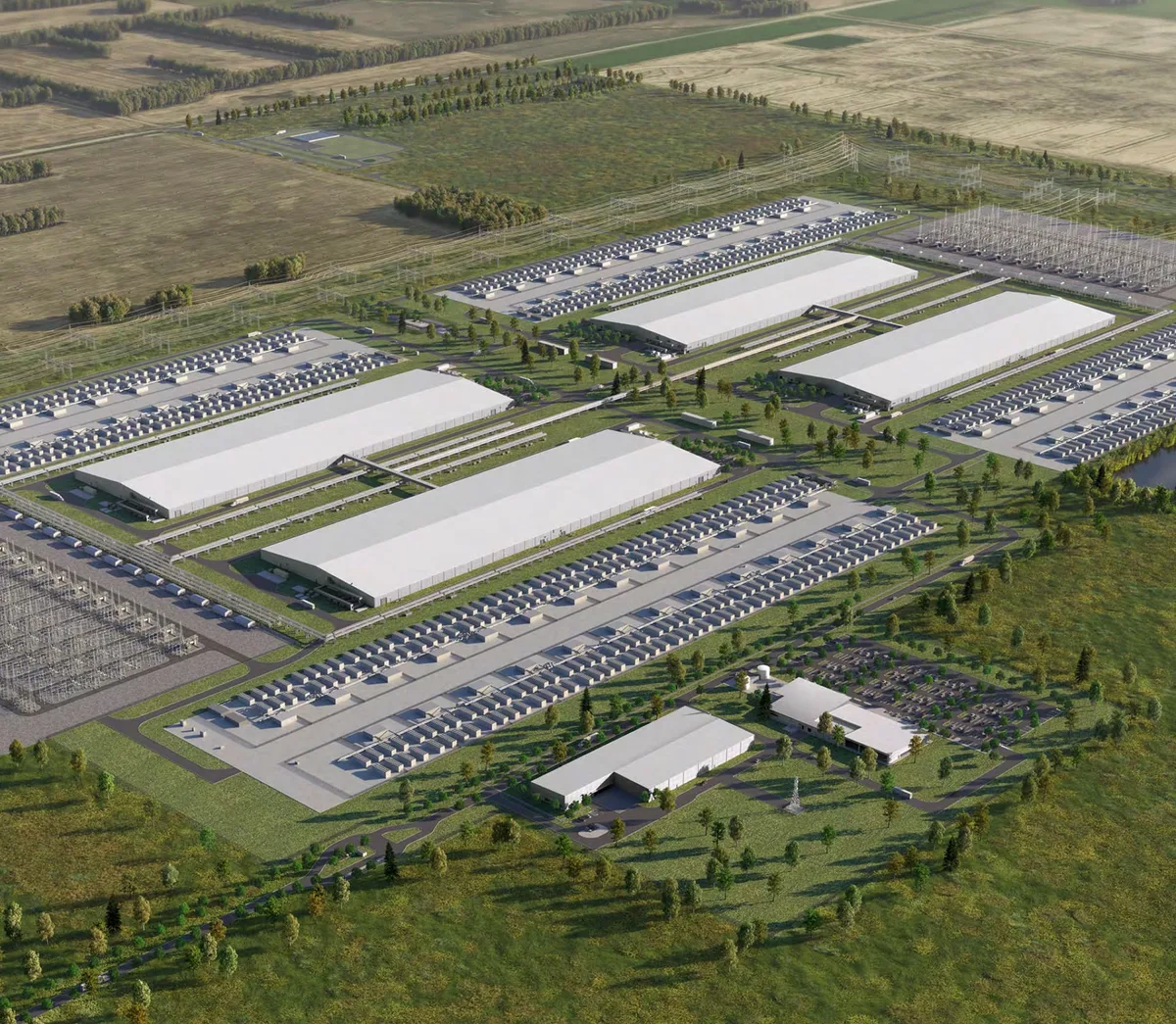
Meta Platforms is pushing its artificial intelligence infrastructure ambitions northward, announcing plans to build its first large-scale data center in Canada. The move signals that the company's appetite for computing power to fuel AI development has outgrown its existing domestic footprint, extending a capital-intensive buildout that has defined Big Tech's strategic priorities in recent years.
Data centers are the physical backbone of modern AI — warehouses filled with specialized chips and cooling systems that train and run the large language models powering products like Meta AI. As competition among technology giants intensifies, securing additional data center capacity in politically stable, energy-rich regions has become a competitive necessity rather than a luxury. Canada, with its relatively cool climate and access to hydroelectric power, has long been an attractive destination for such investment.
Read more Levi Strauss Tops Q2 Estimates, Lifts Outlook and Dividend →
For Meta specifically, the Canadian expansion represents more than a simple capacity upgrade. The company has been aggressively signaling to investors and regulators alike that it is committed to maintaining AI leadership, having outlined massive capital expenditure plans for infrastructure in recent quarters. A cross-border facility also diversifies operational risk, giving the company geographic redundancy that a purely US-based network cannot provide.
The broader pattern here is worth noting: when a dominant social media and AI platform expands its physical infrastructure into new countries, it typically brings with it questions about data sovereignty, local employment, and regulatory oversight. Canadian policymakers and privacy advocates will likely scrutinize how user data flows between the new facility and Meta's existing US operations, an issue that has generated friction for American tech firms operating in the European Union.
Continue reading at US Top News and Analysis.