Hormuz Strait Traffic Recovery Pushed to 2027, Traders Warn
Prediction market odds for a Hormuz traffic normalization by December have fallen to 43%, signaling a prolonged disruption well into 2027.
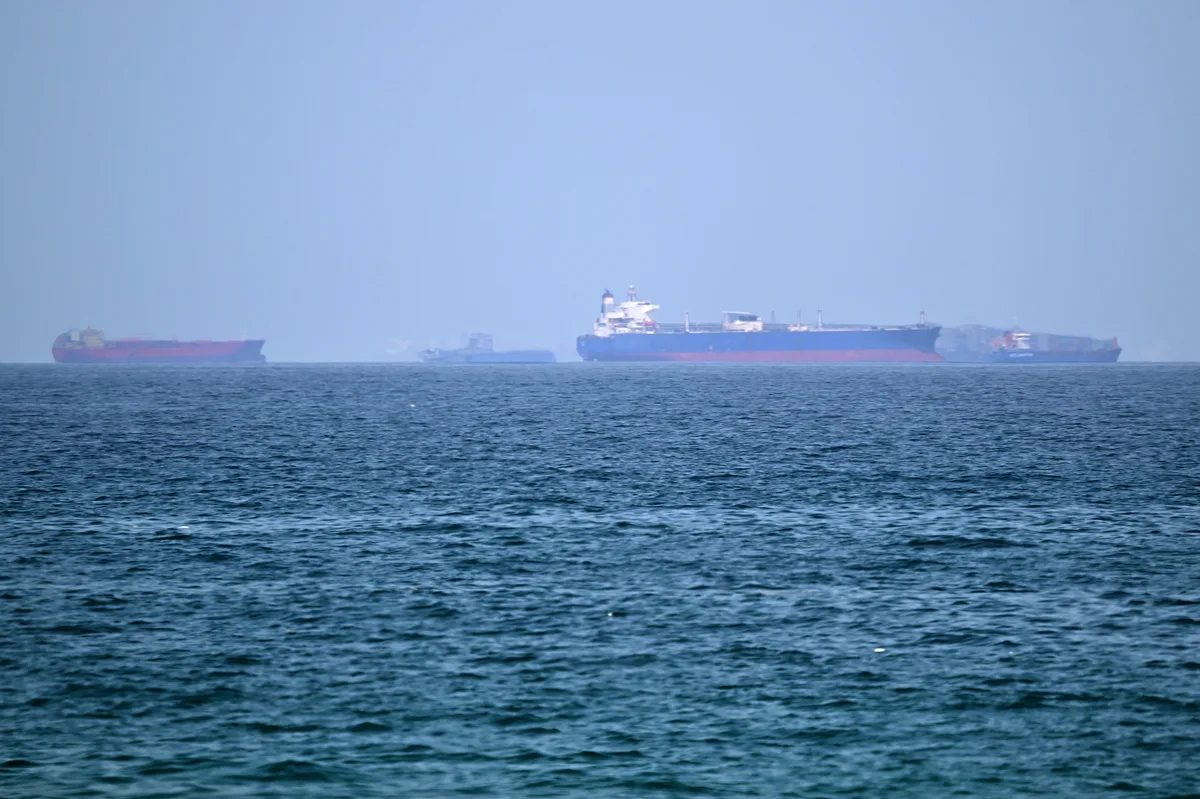
The Strait of Hormuz, the world's most consequential chokepoint for global energy flows, is unlikely to see normal shipping traffic restored until 2027, according to sentiment emerging from Kalshi, the regulated prediction market platform. Traders now place just a 43% probability on traffic returning to normal levels by December 1 — a figure that underscores how severely recent setbacks have complicated any near-term recovery timeline.
The strait carries a disproportionate share of the world's seaborne oil and liquefied natural gas, making disruptions to its shipping lanes a direct concern for energy markets, industrial supply chains, and consumer fuel prices globally. When prediction markets assign less-than-even odds to a recovery within the calendar year, it functions as a real-time gauge of collective expert and speculator sentiment — one that often moves faster than official government or industry assessments.
Read more Bitcoin Retreats to $62K Amid Oil Spike and Fed Uncertainty →
The slide in confidence reflects more than geopolitical noise. Prediction market participants are pricing in the compounding difficulty of reversing logistical, diplomatic, and security factors that have accumulated around the strait. A recovery delayed to 2027 would mean shippers, insurers, and energy traders must plan for an extended period of elevated risk premiums and rerouting costs — expenses that ultimately ripple outward to importers and consumers.
For policymakers and market watchers, the Kalshi data point carries weight precisely because real money is at stake. Unlike polling or analyst commentary, prediction markets impose a financial cost on overconfidence, lending the 43% figure a certain discipline. Whether that probability holds or deteriorates further will depend heavily on whether the underlying tensions that triggered the latest setback show any signs of resolution in the months ahead.
Continue reading at US Top News and Analysis.