Micron Investors Seek Proof AI Demand Can Sustain Memory Boom
Micron's stock remains well below its peak, and investors are demanding evidence that AI-driven memory pricing gains are durable, not fleeting.
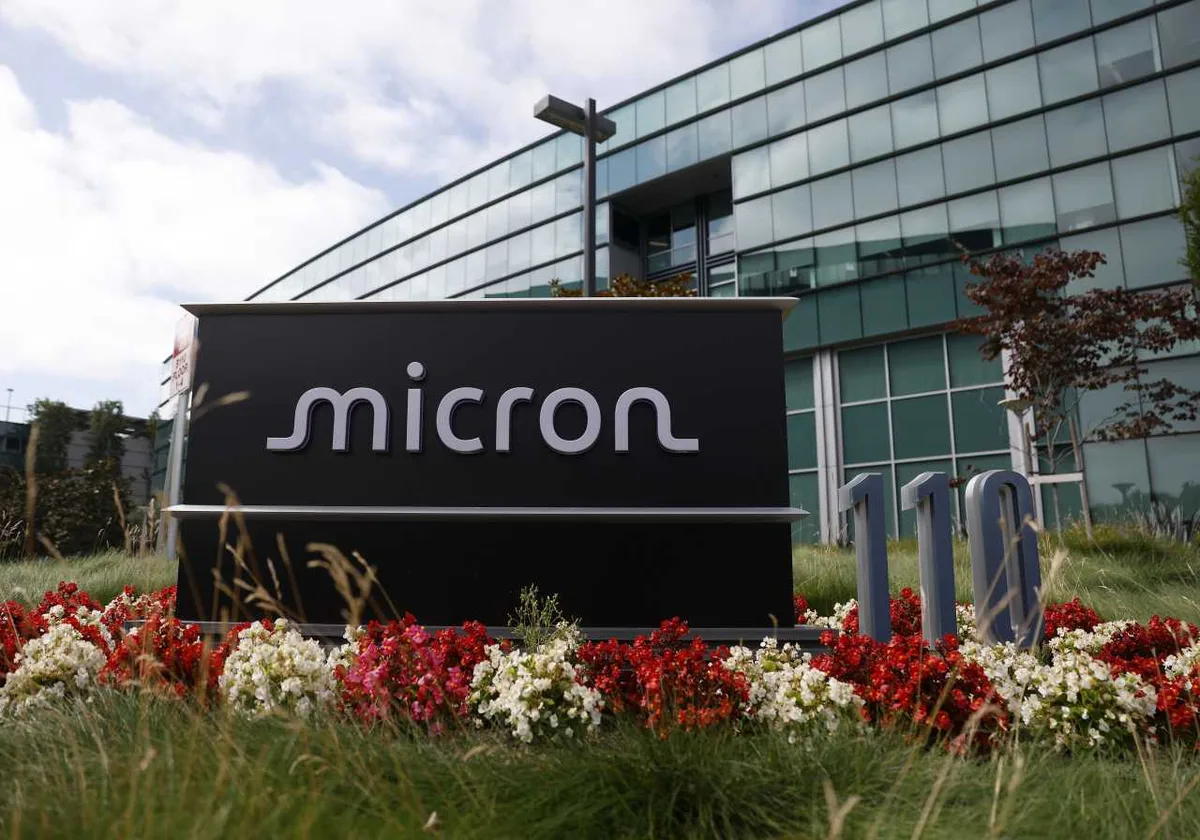
Micron Technology finds itself at a critical inflection point: its stock has pulled back sharply from highs, and the market is now asking a question that will define the memory sector's trajectory for years — can the artificial intelligence boom translate into lasting, structural demand rather than a cyclical spike that eventually collapses under its own weight?
Memory chips occupy a unique and often volatile corner of the semiconductor landscape. Unlike logic chips, where pricing power tends to be stickier, DRAM and NAND flash markets have historically swung between periods of oversupply and shortage with punishing regularity. The AI wave introduced a new variable — high-bandwidth memory used in advanced GPU clusters — that bulls argue breaks this cycle by tethering memory demand to long-duration infrastructure buildout rather than consumer electronics whims.
Read more Hormuz Strait Traffic Recovery Pushed to 2027, Traders Warn →
But skepticism persists, and that skepticism is precisely what is weighing on Micron's valuation. Investors want more than a single strong earnings cycle as evidence. They are looking for sustained pricing discipline across the industry, continued capital commitment from hyperscalers, and tangible signs that AI workloads are compounding in complexity fast enough to keep memory consumption growing at an above-trend rate for multiple years ahead.
The stakes extend well beyond Micron. How the company navigates this earnings moment will set a tone for the broader memory sector and offer a real-time stress test of the AI infrastructure thesis. If management can demonstrate that elevated average selling prices are holding and that order visibility remains strong, it would meaningfully reinforce the bull case. A disappointing read, however, could accelerate doubts about whether the AI trade has already priced in too rosy a demand outlook.
For investors, the challenge is distinguishing between a cyclical bounce dressed up as a secular shift and a genuine structural upgrade to memory's role in the computing stack. Continue reading at MarketWatch.com