Minimum Wage Hikes Lose Political Steam Amid Economic Headwinds
Once a reliable ballot-box winner for progressives, minimum wage increases are now facing unexpected resistance as economic sentiment shifts.
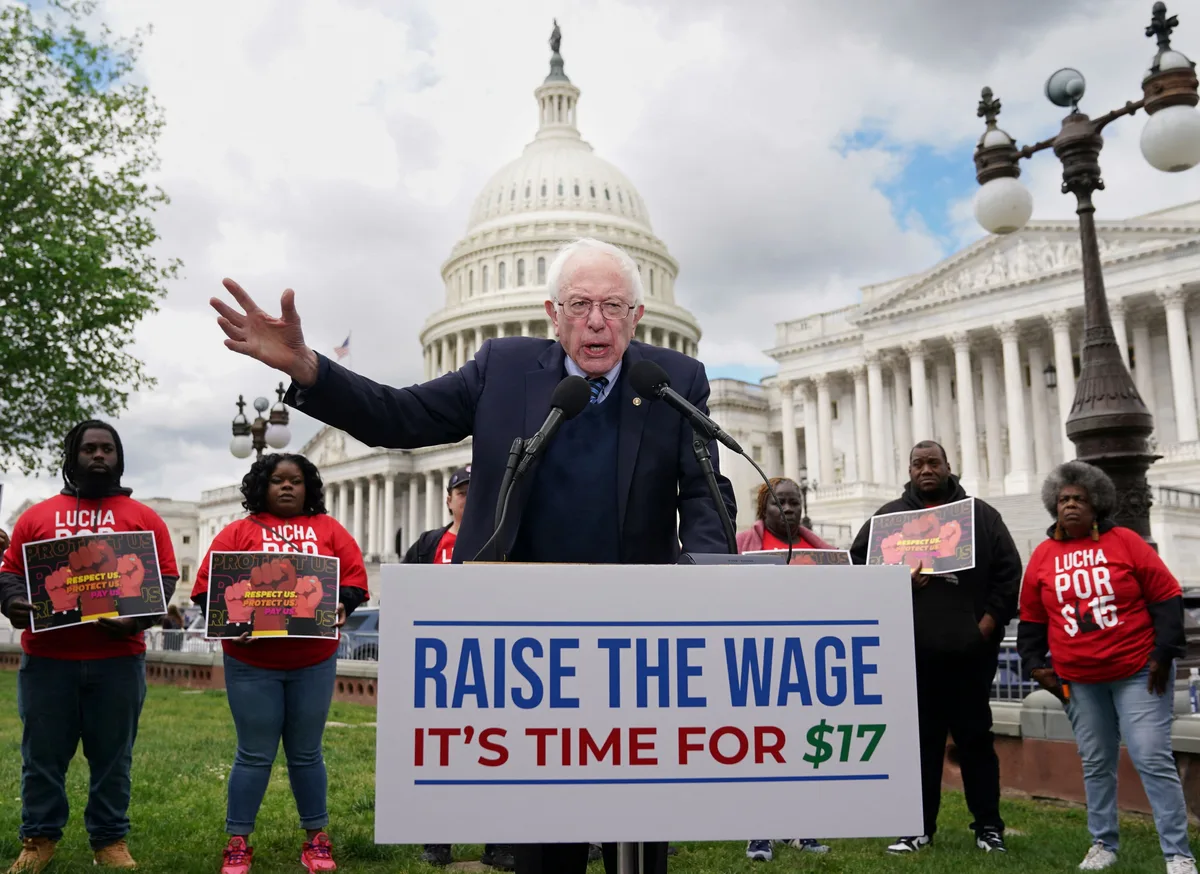
For years, raising the minimum wage stood out as one of the few progressive policy proposals capable of winning broad public support at the ballot box, crossing partisan lines in states where other liberal initiatives struggled. Voters in red and purple states alike backed wage floor increases with notable consistency, making the issue a reliable vehicle for progressive organizing and coalition-building.
But the political dynamics appear to be shifting. Recent electoral losses suggest that the economic mood among voters — shaped by years of elevated inflation, higher costs of living, and anxieties about small business viability — is now complicating what once seemed like a straightforward political winner. When consumers are already feeling squeezed, arguments that higher labor costs could translate into pricier goods or reduced hiring may carry more weight than they once did.
Read more Iran Nuclear Talks Trigger No-Fly Zone, Snarling Zurich Airport →
The pattern is worth watching closely. Minimum wage campaigns have historically succeeded by framing the issue around worker dignity and economic fairness, themes with durable appeal across income levels. If that framing is losing traction, it may signal a broader recalibration in how working-class voters are weighing trade-offs between higher wages and broader economic stability — a shift with implications well beyond labor policy.
For progressive strategists, the resistance presents a genuine tactical puzzle. The issue was prized precisely because it could mobilize voters without triggering the polarization that other economic policies invite. A weakening of that consensus, if sustained, could narrow the terrain on which progressives build coalition majorities heading into future election cycles.
Continue reading at US Top News and Analysis.