OpenAI Shelves IPO Plans as AI Leaders Warn of Runaway Pace
OpenAI confirms no public offering this year while Altman, Musk, and Amodei each raise alarms about the accelerating speed of AI development.
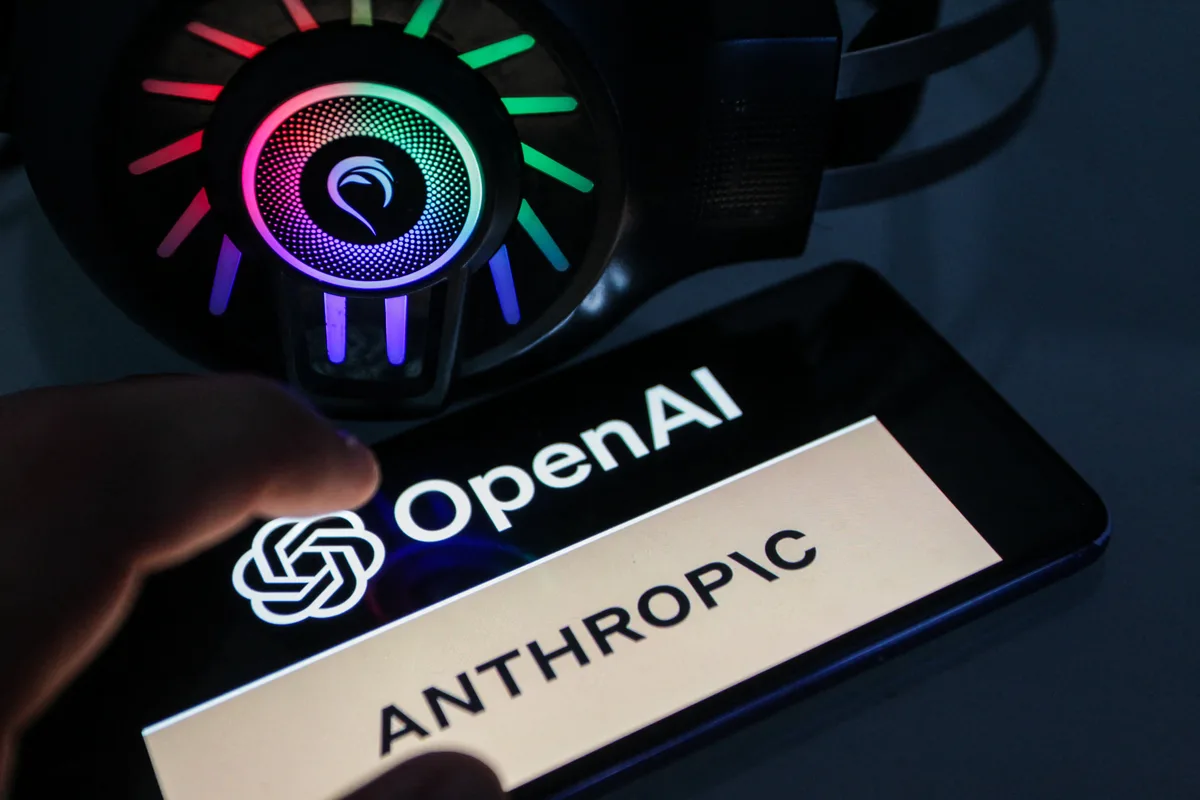
OpenAI has ruled out an initial public offering in 2024, a decision that arrives alongside a remarkable chorus of concern from the very executives and entrepreneurs driving the artificial intelligence industry forward. Sam Altman, Elon Musk, and Anthropic CEO Dario Amodei — three of the most influential figures in the AI race — each issued warnings this week suggesting that the technology is advancing faster than society, regulators, or perhaps even its creators can comfortably manage.
The IPO shelving is significant on its own terms. OpenAI has been valued at extraordinary levels in private funding rounds, and a public offering would have been one of the most closely watched market events in recent memory. Choosing to delay removes a key pressure valve: public companies answer to shareholders on quarterly timelines, a discipline that can conflict with the kind of long-horizon safety research OpenAI at least publicly prioritizes. Staying private preserves more operational flexibility, even as it limits liquidity for early backers.
Read more Buffett's Precision Castparts Bet Finally Delivers After Years of Doubt →
What makes this week unusual is the convergence of candor from people who normally compete fiercely. Amodei issued a pointed public call for more deliberate, careful pacing of AI development — a notable statement from a CEO whose company is itself sprinting to release frontier models. Musk, who has his own AI venture in xAI, has a long history of sounding alarms about existential risk. That Altman joined that register of concern, even while leading the company synonymous with the current AI boom, signals that the gap between the technology's capabilities and the guardrails around it is becoming harder to ignore or paper over with optimism.
For investors and policymakers, the week's events carry a dual message: the AI industry is commercially vibrant enough that an OpenAI IPO would be a landmark event, yet the people closest to the technology are publicly uncomfortable with how quickly it is moving. That tension — between competitive urgency and genuine unease — is likely to define the regulatory and strategic conversations around AI for the foreseeable future. Whether these warnings translate into concrete slowdowns, voluntary or mandated, remains the central open question.
Continue reading at US Top News and Analysis.