Robinhood Launches Public Blockchain in Deeper Crypto Push
Robinhood is expanding its crypto ambitions with a public blockchain rollout, signaling a strategic shift beyond retail trading.
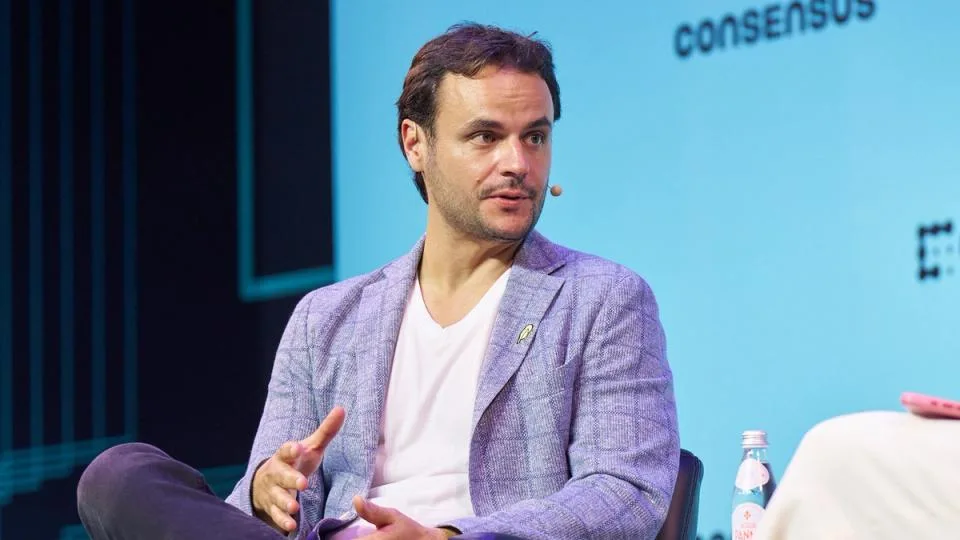
Robinhood, the retail brokerage that popularized commission-free stock trading, is making a significant move deeper into the cryptocurrency ecosystem by launching its own public blockchain. The development marks a meaningful escalation in the company's ambitions — from serving as a platform where users can buy and hold digital assets to becoming an active participant in the underlying infrastructure that powers them.
The decision to build and release a public blockchain is not a trivial undertaking. Public blockchains, by design, are open, permissionless networks that allow anyone to interact with them — a fundamentally different proposition from operating a custodial trading app. For Robinhood, this suggests the company is positioning itself to compete not just with traditional brokerages but with crypto-native platforms and even layer-one blockchain ecosystems that have long defined the decentralized finance landscape.
Read more Meta's Cloud Pivot Sparks Wall Street Debate on AI Strategy →
From a strategic standpoint, this kind of vertical integration carries both opportunity and risk. On the upside, owning core blockchain infrastructure could allow Robinhood to offer lower transaction costs, proprietary financial products, and deeper user engagement across a new generation of crypto-linked services. On the downside, building credibility in a space dominated by battle-tested, decentralized protocols requires more than capital — it requires community trust, developer adoption, and technical resilience over time.
The timing is also notable. Robinhood's expansion arrives as regulatory clarity around digital assets in the United States appears to be gradually improving, creating a more hospitable environment for established financial firms to deepen their crypto commitments. Whether Robinhood can translate its massive retail user base into a thriving blockchain ecosystem remains an open and consequential question for the broader industry.
Continue reading at CoinDesk.