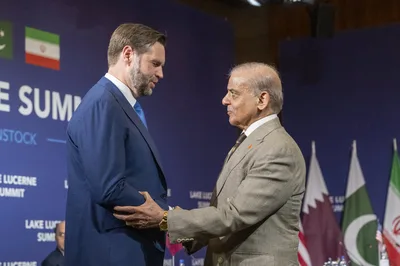
Rubio Ends Gulf Tour Amid Allied Unease Over Iran Deal Talks
Secretary of State Marco Rubio concluded a Gulf diplomatic tour as regional allies voiced reservations about a potential US-Iran nuclear agreement.

Secretary of State Marco Rubio wrapped up a diplomatic swing through the Gulf region this week, departing with a clearer picture of how America's closest Arab partners view the prospect of a negotiated settlement with Iran — and the picture is not entirely comfortable for Washington's dealmakers. Gulf allies conveyed pointed concerns about the direction of US-Iran diplomacy, underscoring the delicate balancing act the Trump administration faces as it pursues engagement with Tehran while reassuring partners who regard Iran as an existential threat.
The Gulf states — Saudi Arabia, the United Arab Emirates, and Qatar among them — have long maintained that any agreement must go beyond the nuclear file and address Iran's ballistic missile program and its support for proxy militias across the Middle East. That broader demand has historically complicated nuclear diplomacy, and the signals Rubio received suggest regional governments remain skeptical that a narrow accord would meaningfully reduce their security exposure.
Read more Trump Says Fault for Iran Girls' School Strike May Never Be Clear →
The tour underscores a recurring tension in American Middle East policy: Washington often needs Gulf cooperation on energy markets, counterterrorism, and regional stability at the same moment it pursues diplomatic openings that those same partners distrust. Rubio's consultations appear designed to demonstrate that the administration is listening, even if the ultimate contours of any Iran deal will be shaped by direct US-Iran negotiations rather than allied input alone.
The diplomatic choreography also reflects how seriously the Gulf monarchies take their seat at the table. By surfacing concerns directly to the Secretary of State, they are attempting to shape the negotiating parameters before any framework solidifies — a strategy that has had mixed results in past rounds of Iran diplomacy. Whether their warnings translate into concrete conditions the US will press in talks with Tehran remains an open question.
Continue reading at Reuters