Samsung Enters Smart Glasses Race to Challenge Meta's Lead
Samsung has revealed details about its first smart glasses, stepping into a market Meta currently dominates with its Ray-Ban line.
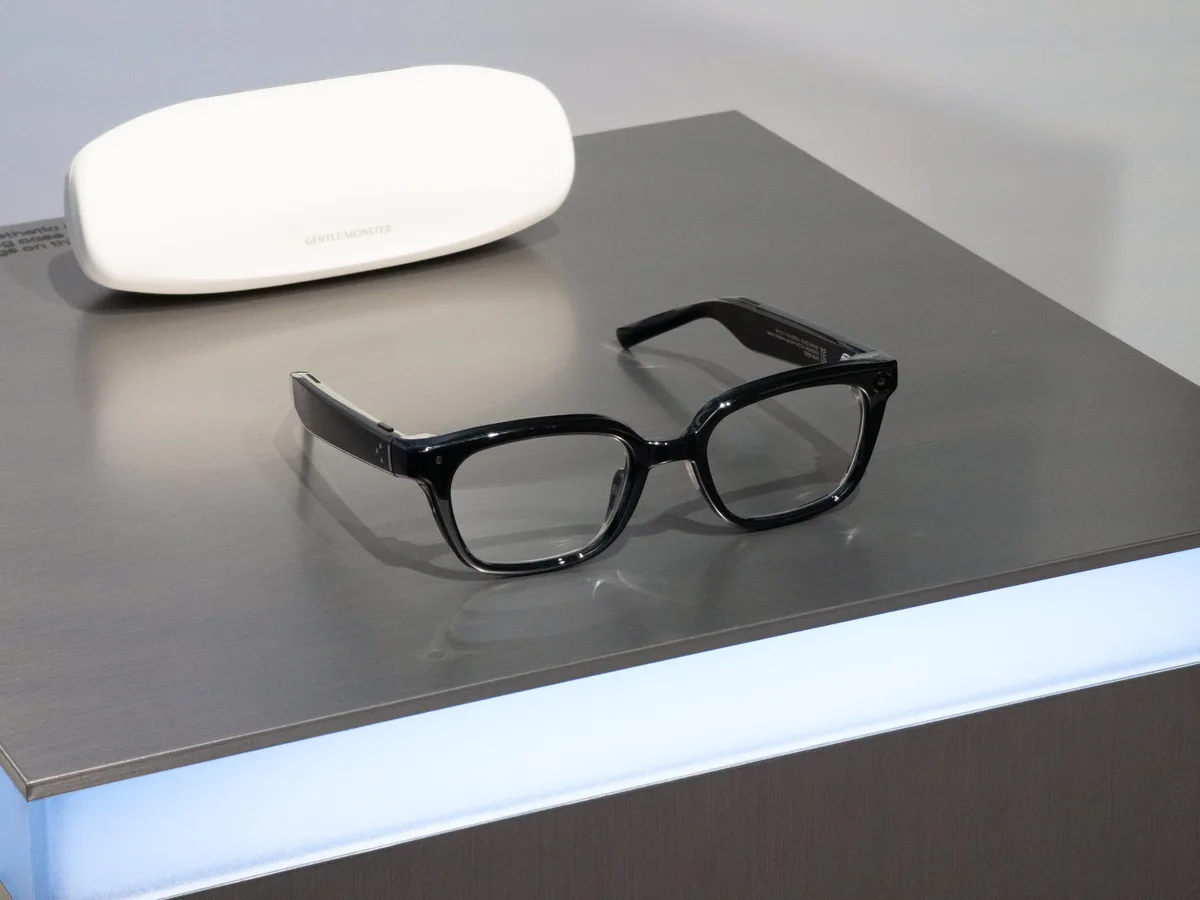
Samsung is making its long-anticipated move into smart eyewear, unveiling features of its debut smart glasses in a market that Meta has spent years carefully cultivating. The announcement signals that one of the world's largest consumer electronics companies is ready to compete directly with Meta's Ray-Ban smart glasses, which have quietly become a flagship product for the social media giant's hardware ambitions.
The entry of Samsung into this space carries significant weight. Unlike smaller startups that have attempted to crack smart glasses and stumbled — most notably Google Glass — Samsung brings an established global supply chain, deep retail relationships, and a loyal ecosystem of Android and Galaxy device users it can immediately target. That kind of distribution muscle could accelerate mainstream adoption in ways that Meta has only partially achieved on its own.
Read more AMD Commits Up to $5 Billion to Anthropic in Computing Deal →
Meta's current dominance in the category stems from its partnership with Ray-Ban parent EssilorLuxottica, which gave its glasses a fashionable, wearable form factor that earlier tech-forward designs lacked. Samsung entering the arena forces a direct reckoning: consumers will now have a meaningful alternative from a brand they associate with premium hardware, potentially expanding the overall market rather than simply splitting existing demand.
For the broader wearables industry, Samsung's move is a validation that smart glasses are graduating from novelty to a genuine product category worth sustained investment. Analysts have long pointed to ambient computing — where technology fades into everyday objects like eyewear — as the next frontier beyond smartphones. With both Meta and Samsung now committed to the space, the competitive pressure to innovate on battery life, audio quality, camera capabilities, and AI integration will only intensify.
The longer-term question is whether Samsung will integrate its glasses tightly with Galaxy AI features and its existing device ecosystem, a strategy that could differentiate it sharply from Meta's social-platform-centric approach. Continue reading at US Top News and Analysis.