Senate Panel Moves to Restrict Defense Contractor Stock Buybacks
A Senate Armed Services Committee bill would require Pentagon approval before defense contractors can repurchase their own stock.
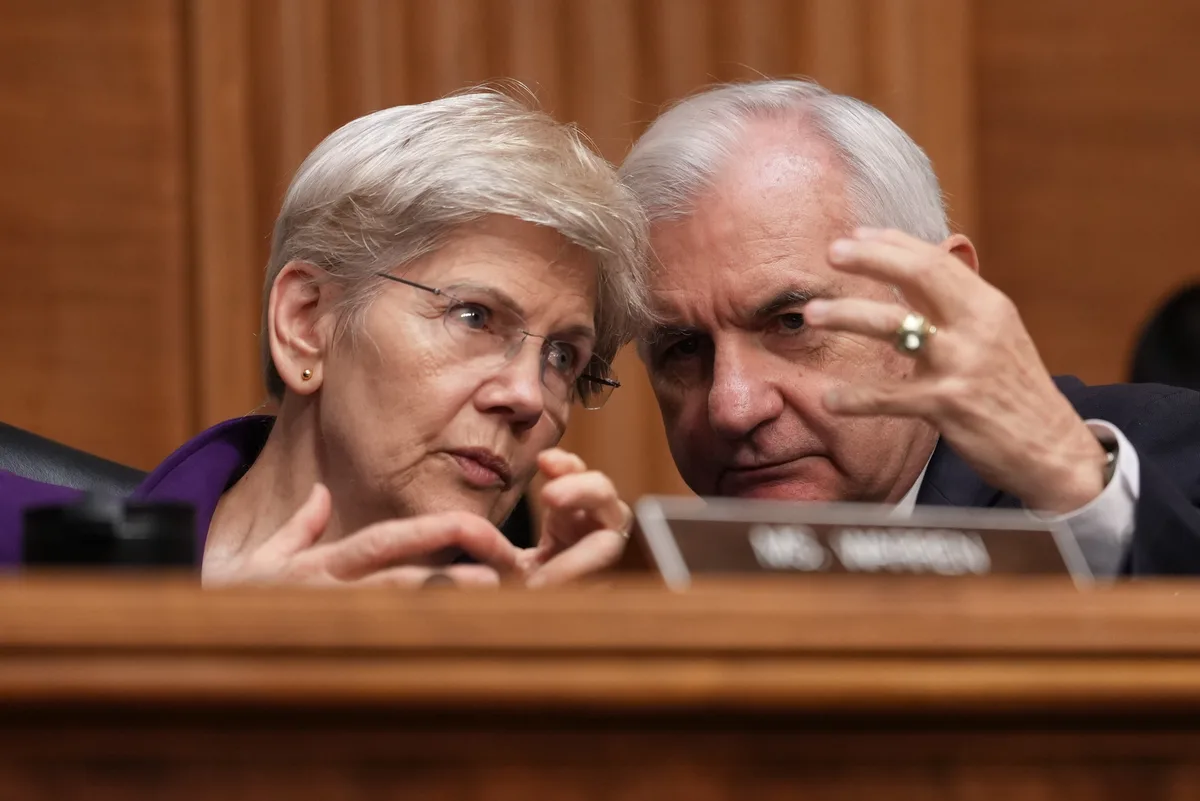
The Senate Armed Services Committee has advanced legislation that would place significant new constraints on how major defense contractors manage their capital, specifically targeting share repurchase programs that critics argue divert resources away from military production and readiness.
Under the proposed measure, defense firms would be prohibited from conducting stock buybacks unless they first obtain approval from the Pentagon. The requirement represents a notable assertion of government oversight into the financial decision-making of private companies that derive substantial revenue from federal contracts.
Read more Gaming Groups Push Senate to Strip CFTC Sports Betting Authority →
The policy debate behind this bill reflects a broader tension that has intensified in recent years: whether defense contractors are prioritizing shareholder returns over their core mission of supplying the military with equipment and capabilities. Stock buybacks, while legally sound and often favored by investors, reduce the capital available for research, workforce expansion, and production capacity — areas where the Pentagon has expressed urgent concern amid rising global security demands.
By routing buyback approvals through the Department of Defense, lawmakers are essentially inserting a national-security lens into corporate finance. This kind of conditional oversight is rare but not unprecedented — it echoes restrictions placed on companies receiving government bailouts or operating under specific federal licensing regimes. The practical effect could be a chilling influence on buyback activity across the defense industrial base, even for transactions that might ultimately receive approval.
The bill still faces a longer legislative path before becoming law, but its committee passage signals growing bipartisan appetite for accountability over how defense industry profits are deployed. Continue reading at US Top News and Analysis.