Senate Path for Crypto Clarity Act Remains Uncertain
The Clarity Act faces a murky road in the Senate despite urgency to establish U.S. crypto market rules before a potential deadline.
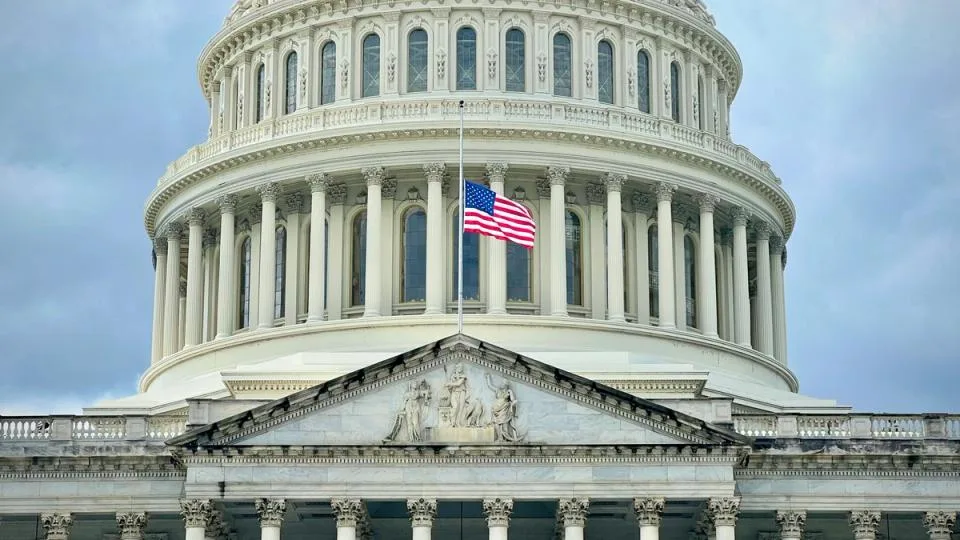
The push to establish a comprehensive regulatory framework for digital assets in the United States is running into familiar obstacles on Capitol Hill, as the Clarity Act struggles to find firm footing in the Senate during what supporters describe as a critical window for passage. Legislation that would define which cryptocurrencies qualify as securities versus commodities — a distinction that has long divided regulators and the industry alike — remains stalled amid competing priorities and uncertain coalition-building.
The stakes are significant. Without a statutory definition clarifying jurisdiction between the Securities and Exchange Commission and the Commodity Futures Trading Commission, enforcement actions and legal uncertainty are likely to continue shaping the crypto industry's relationship with U.S. markets. Industry advocates have argued for years that ambiguity has pushed innovation offshore, and the Clarity Act was positioned as the legislative answer to that concern.
Read more IAEA Chief Confirms Iran Inspections Will Proceed Amid Talks →
Yet legislative calendars rarely bend to industry timelines. The Senate's procedural demands, combined with a packed agenda and the challenge of assembling bipartisan support on a technically complex topic, have created conditions where well-intentioned legislation can stall indefinitely. The window for action, as described by observers tracking the bill, is narrowing rather than opening.
What makes the Clarity Act's situation particularly instructive is that it reflects a broader pattern in U.S. crypto policymaking: moments of apparent momentum that fail to translate into enacted law. The House has historically moved faster on digital asset legislation, leaving the Senate as the institutional bottleneck where regulatory reform tends to slow or expire. Whether this cycle breaks before the legislative clock runs out remains the central question for the bill's supporters.
Continue reading at CoinDesk.