Senate Votes to Curb Presidential War Powers on Iran
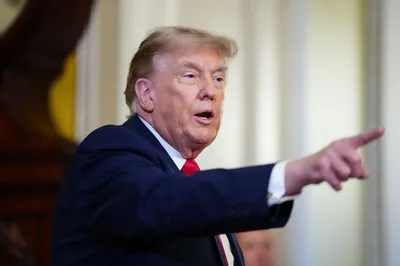
The U.S. Senate defied the Trump administration by passing a resolution aimed at preventing unauthorized military action against Iran.

The U.S. Senate took a notable stand against executive authority this week, voting to block any unauthorized military action against Iran — a direct rebuke of the Trump administration's posture toward Tehran. The resolution marks one of the clearer instances of congressional pushback on presidential war powers in recent memory, reviving a long-running constitutional debate about who holds the authority to commit American forces to armed conflict.
At its core, the vote reflects bipartisan unease about the prospect of military escalation with Iran without formal congressional authorization. While the White House has not publicly committed to any specific military operation, lawmakers appear determined to draw a clear legal boundary before events on the ground could force their hand. War powers resolutions of this kind are rarely binding in practice, but they carry significant political weight as a signal of congressional intent.
Read more IAEA Chief Confirms Iran Inspections Will Proceed Amid Talks →
The move also fits a broader pattern of legislative resistance to what many senators across both parties view as an overly expansive interpretation of presidential authority in matters of war and national security. The 1973 War Powers Resolution was designed precisely to prevent the executive branch from engaging in prolonged military campaigns without congressional approval, yet presidents of both parties have often sidestepped its constraints. This Senate vote can be read as a reminder that lawmakers retain — and intend to exercise — their constitutional role in matters of war.
For the Trump administration, the vote represents both a political setback and a practical constraint, even if enforcement mechanisms remain limited. How the White House responds will likely shape the ongoing negotiating dynamic between the branches of government on Iran policy. The resolution does not compel a specific diplomatic outcome, but it does narrow the room for unilateral military escalation.
Continue reading at Reuters.