SpaceX ETF Volatility Exposes the Real Risks of Leveraged Funds
SpaceX shares surged at their market debut then quickly reversed, illustrating why leveraged single-stock ETFs can devastate retail investors.
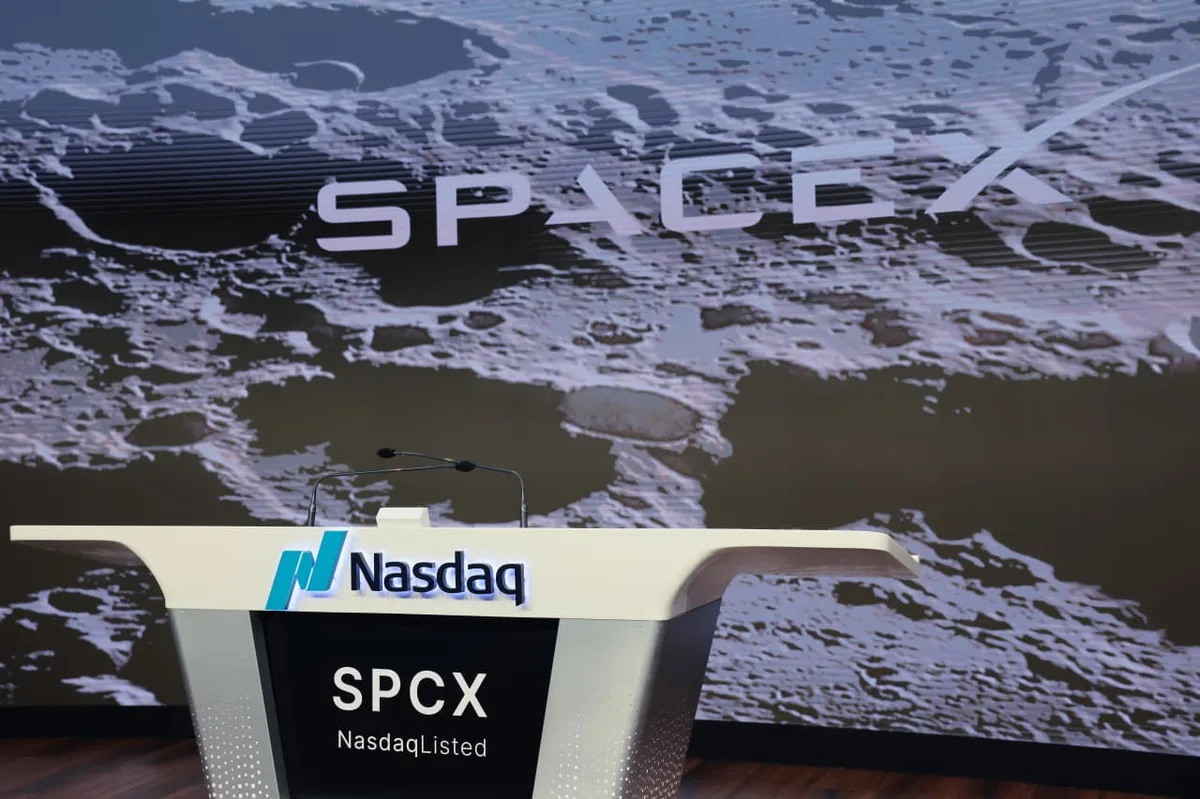
When SpaceX shares made their long-awaited public market debut this month, the initial euphoria was swift and dramatic — exactly the kind of price action that draws retail investors toward leveraged exchange-traded funds. Those products, designed to amplify daily returns on a single underlying stock, looked like a fast track to outsized gains. Then reality intervened.
The sharp reversal in SpaceX's share price following its debut offers a textbook case study in how leveraged single-stock ETFs can punish investors who misunderstand what they are actually buying. These instruments are engineered to deliver a multiple of a stock's *daily* performance, not its long-term trajectory. When a stock whipsaws — surging one session and retreating the next — the compounding math works brutally against the holder, eroding value even when the underlying shares eventually recover.
Read more Kalshi Eyes $40 Billion Valuation in Prediction Market Surge →
SpaceX is a particularly high-stakes vehicle for this kind of speculation. As a company with an enormous valuation built on ambitious long-term projects — from Starlink's satellite internet ambitions to deep-space exploration — its stock is inherently prone to wide price swings tied to news cycles, regulatory developments, and investor sentiment rather than near-term earnings fundamentals. That volatility profile is precisely what makes a leveraged ETF tracking it so dangerous.
For financial advisers and market regulators, episodes like this reinforce longstanding concerns about the proliferation of single-stock leveraged products in recent years. These funds lower the barrier to making what are essentially sophisticated derivatives bets, placing powerful and potentially destructive instruments in the hands of everyday investors who may not fully grasp the decay mechanics embedded in the structure. The lesson is not that SpaceX is a bad company — it may well prove to be a generational business — but that the *vehicle* matters as much as the destination when navigating volatile markets.
Continue reading at MarketWatch.com