SpaceX Secures $25 Billion in Debt Amid Surging Investor Demand
SpaceX closed a $25B debt offering backed by nearly $90B in orders, signaling extraordinary market confidence in the rocket company.
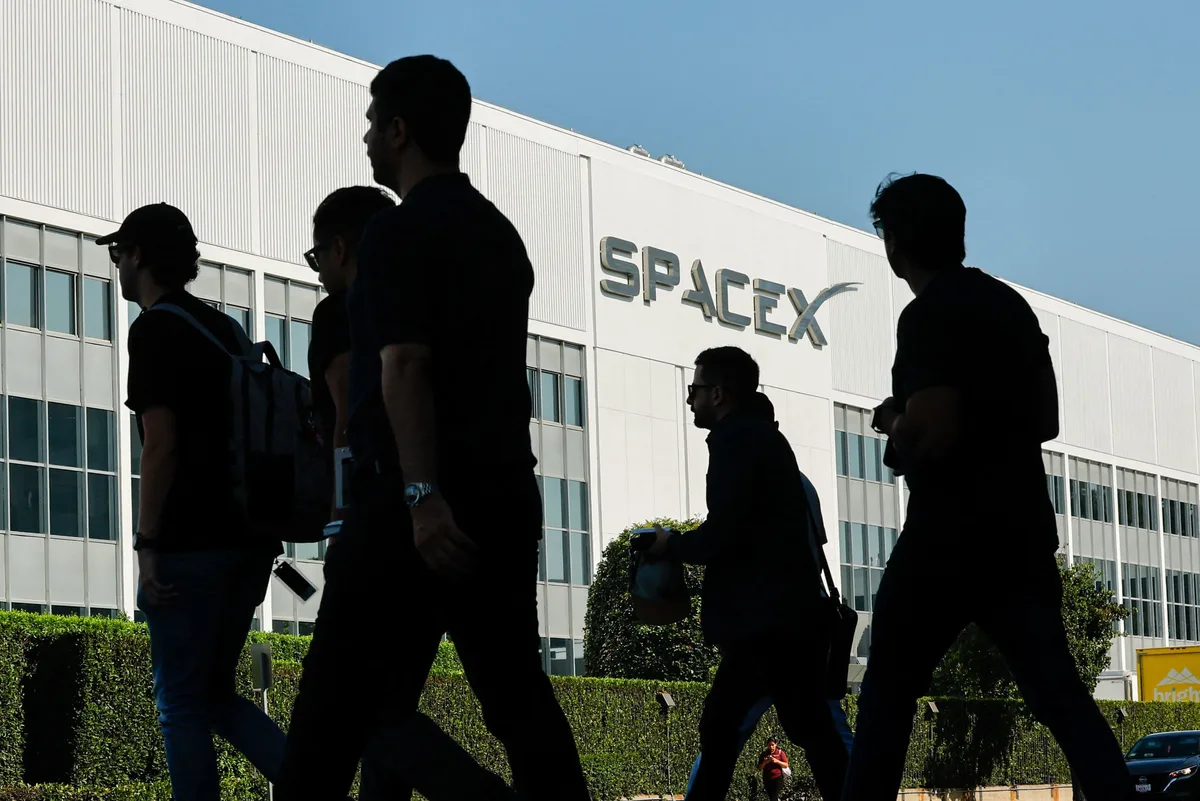
SpaceX has raised $25 billion through a debt sale that drew nearly $90 billion in investor orders — a level of oversubscription that underscores the remarkable appetite Wall Street has developed for Elon Musk's aerospace giant. The transaction closed less than two weeks after the company's initial public offering, making it one of the most consequential capital-raising sequences in recent corporate history.
The sheer volume of demand — roughly 3.6 times the amount ultimately raised — reflects how institutional investors are positioning themselves around what many view as a generational infrastructure play in commercial space, satellite internet, and defense contracting. When a debt offering attracts that magnitude of orders, it typically signals that buyers are comfortable with both the issuer's credit profile and its long-term revenue trajectory, even for a company operating in a capital-intensive and technically complex industry.
Read more Kalshi Eyes $40 Billion Valuation in Prediction Market Surge →
The timing matters as much as the size. By returning to debt markets so quickly after an IPO, SpaceX is effectively capitalizing on its newly public status to lock in financing terms that might be harder to secure later — particularly if interest rate conditions shift or investor sentiment cools. Companies that move this decisively in the post-IPO window often do so because they have specific deployment plans for the capital, whether that involves accelerating rocket production, expanding Starlink infrastructure, or funding the continued development of the Starship program.
For broader markets, the transaction serves as a real-time stress test of investor risk tolerance in the aerospace and technology sectors. The fact that demand so dramatically exceeded supply suggests that, at least for now, SpaceX's brand and business model command a premium that few private-turned-public companies can match. How the company deploys this capital — and whether returns justify the enthusiasm — will be the defining question in the quarters ahead.
Continue reading at US Top News and Analysis