Stripe Said to Make $53 Billion Bid to Acquire PayPal
Stripe has reportedly mounted a blockbuster $53B offer for PayPal in what would rank among the largest fintech deals ever attempted.
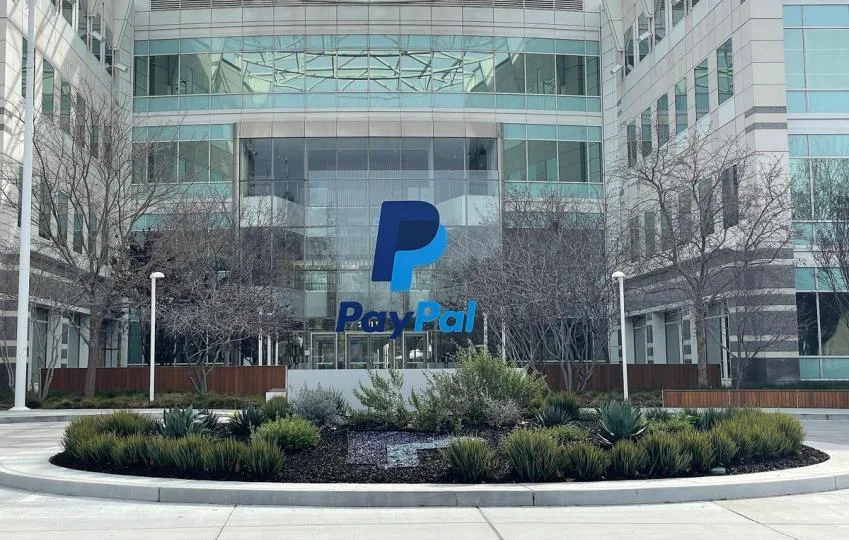
Stripe, the privately held payments infrastructure giant, has reportedly made a $53 billion bid to acquire PayPal, according to reporting from CoinDesk. If the deal were to close at that valuation, it would represent one of the most consequential consolidation moves in the history of digital payments — combining two of the sector's most recognizable names under a single roof.
The strategic logic behind such a transaction is worth examining carefully. Stripe has long dominated the developer-facing, back-end infrastructure layer of online commerce, while PayPal built its franchise on consumer-facing digital wallets and peer-to-peer transfers. A merger would, in theory, give the combined entity both the plumbing and the front-end customer relationships needed to compete aggressively with card networks, big-bank processors, and the growing roster of fintech challengers globally.
Read more Dan Ives Launches Yorkville Ives Merchant Bank After Wedbush Exit →
For PayPal, the timing carries particular weight. The company has faced sustained pressure from investors and analysts over slowing user growth, mounting competition from Apple Pay, Google Pay, and buy-now-pay-later rivals, and an ongoing search for a strategic identity in a rapidly shifting landscape. A $53 billion offer, depending on the premium implied over PayPal's market capitalization, could present a compelling exit or transformation opportunity for shareholders.
Stripe, which was last privately valued at $65 billion following a 2023 tender offer, has not pursued a public listing despite years of speculation. Acquiring PayPal's publicly traded equity would be an unconventional path to scale — and would raise immediate questions about financing structure, regulatory review, and whether antitrust authorities in the United States and Europe would approve a deal that concentrates so much payments volume in one company.
The reported bid remains unconfirmed by either company, and large deals of this complexity frequently fall apart before any definitive agreement is reached. Still, the mere possibility signals that the payments industry may be entering a new phase of consolidation as margins compress and the cost of competing at global scale continues to rise. Continue reading at CoinDesk.