Supreme Court Expands Presidential Power to Fire Regulators
A landmark ruling overturns 'Humphrey's Executor,' giving presidents broad authority to dismiss independent agency heads.
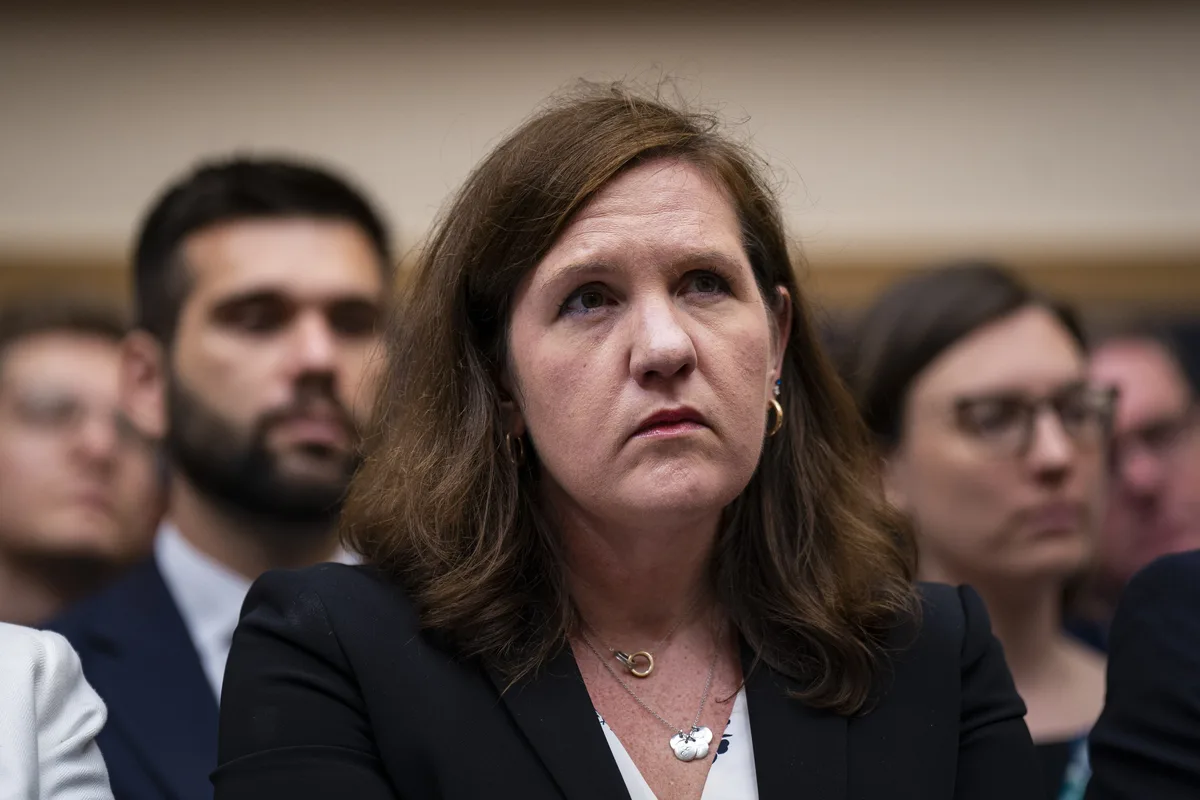
The Supreme Court has fundamentally reshaped the balance of power between the executive branch and independent federal agencies, ruling that presidents can fire commissioners of bodies like the Federal Trade Commission without cause. The decision arose from President Donald Trump's attempt to remove FTC Commissioner Rebecca Slaughter, a case that put one of administrative law's most durable precedents directly in the crosshairs.
At the center of the ruling is the dismantling of "Humphrey's Executor," a decades-old precedent that had shielded leaders of independent regulatory agencies from at-will presidential removal. That doctrine was widely understood as the legal architecture underpinning the independence of agencies ranging from the FTC to the Federal Communications Commission — bodies designed by Congress to operate free from direct White House political pressure.
Read more Lebanese Official Rejects US-Israel Deal, Warns of Internal Rift →
The practical implications are substantial. Independent agencies have long derived their authority partly from the assumption that their commissioners could not simply be dismissed when their conclusions proved inconvenient to an administration. With that protection now stripped away, the structural firewall separating regulatory expertise from electoral politics becomes considerably thinner. Critics of the ruling are likely to argue that it concentrates unprecedented control over economic and consumer-protection policy in the Oval Office.
For the Trump administration, the ruling is a significant legal victory that aligns with its broader ambition to consolidate executive authority and bring the administrative state more firmly under presidential direction. The decision will almost certainly prompt legal challenges to other firings at independent agencies and could reshape how Congress designs regulatory bodies in the future — knowing now that statutory removal protections carry far less weight than previously assumed.
The long-term consequences for regulatory independence in the United States remain to be seen, but the court has unmistakably signaled a new era in executive power. Continue reading at US Top News and Analysis.