Treasury Market Calm May Shatter in September Bond Supply Wave
A fragile peace in U.S. Treasuries faces a serious test this fall as major corporations prepare heavy bond issuance.
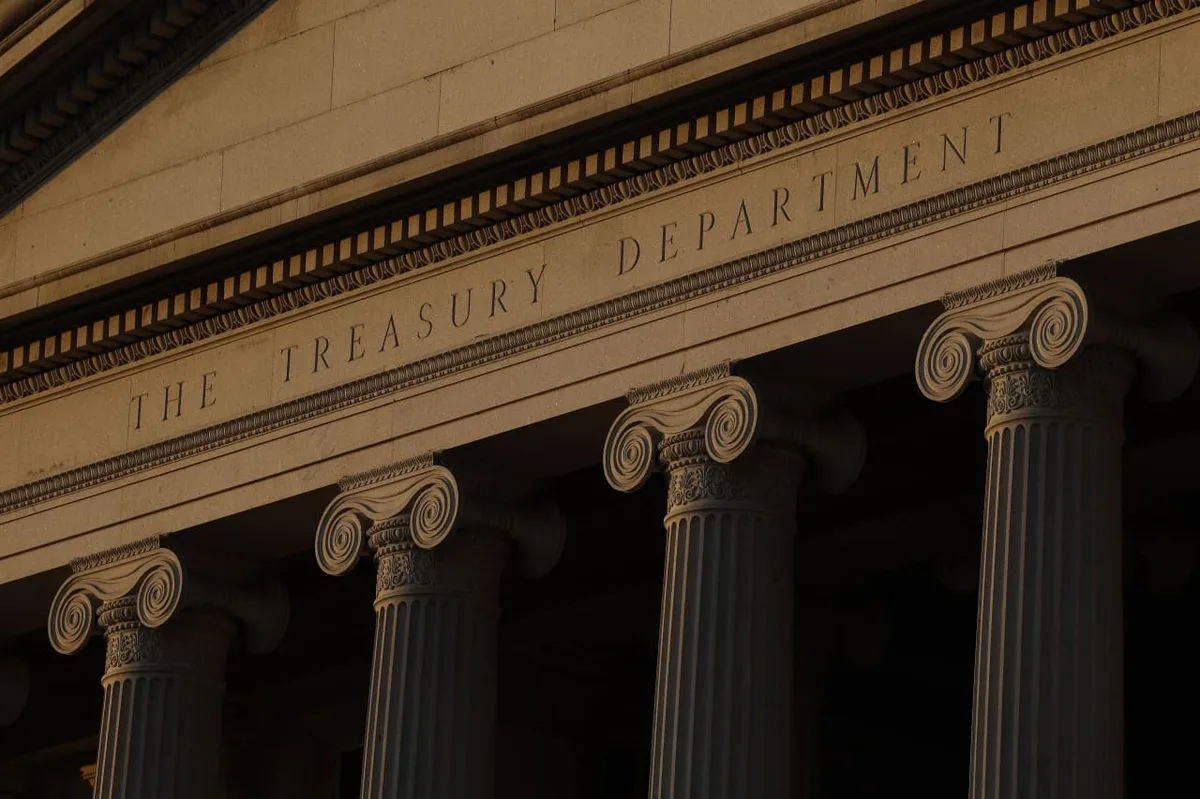
The U.S. Treasury market has clawed back a degree of stability after a bruising summer, but that relative calm may prove short-lived. September historically marks the return of aggressive corporate bond issuance, and this year the timing could not be more consequential for an already stressed fixed-income landscape.
The concern centers on supply overwhelm. When the world's largest companies line up to sell new debt simultaneously, they compete directly with government securities for the same pool of investor capital. That dynamic tends to push yields higher — a pressure the Treasury market, still digesting a difficult summer, may be poorly positioned to absorb.
Read more Unusual Options Activity Follows Trump's Hyperliquid Remarks →
What makes this moment analytically significant is that it exposes a structural vulnerability in the bond market's current equilibrium. Calm, in fixed-income terms, is rarely a signal of underlying strength — it is often simply the absence of a catalyst. A concentrated burst of corporate supply could serve as precisely that catalyst, reigniting the volatility that briefly rattled confidence in U.S. government debt earlier this year.
For everyday investors, the ripple effects extend well beyond Wall Street trading desks. Rising Treasury yields feed directly into mortgage rates, corporate borrowing costs, and the discount rates used to value equities. A September disruption, if it materializes, would likely tighten financial conditions at a moment when the Federal Reserve is still navigating its own policy path.
The broader lesson is one of sequencing risk: markets rarely break at their weakest point in isolation. They break when multiple pressures converge. A wave of corporate issuance landing on a Treasury market already carrying summer bruises is exactly the kind of convergence worth watching closely. Continue reading at MarketWatch.com