Trump Renews Attack on Fed Rate Policy, Wants Lower Borrowing Costs
President Trump criticized the Federal Reserve's interest rate stance, alleging political motivations among officials and arguing the U.S. should pay far less.
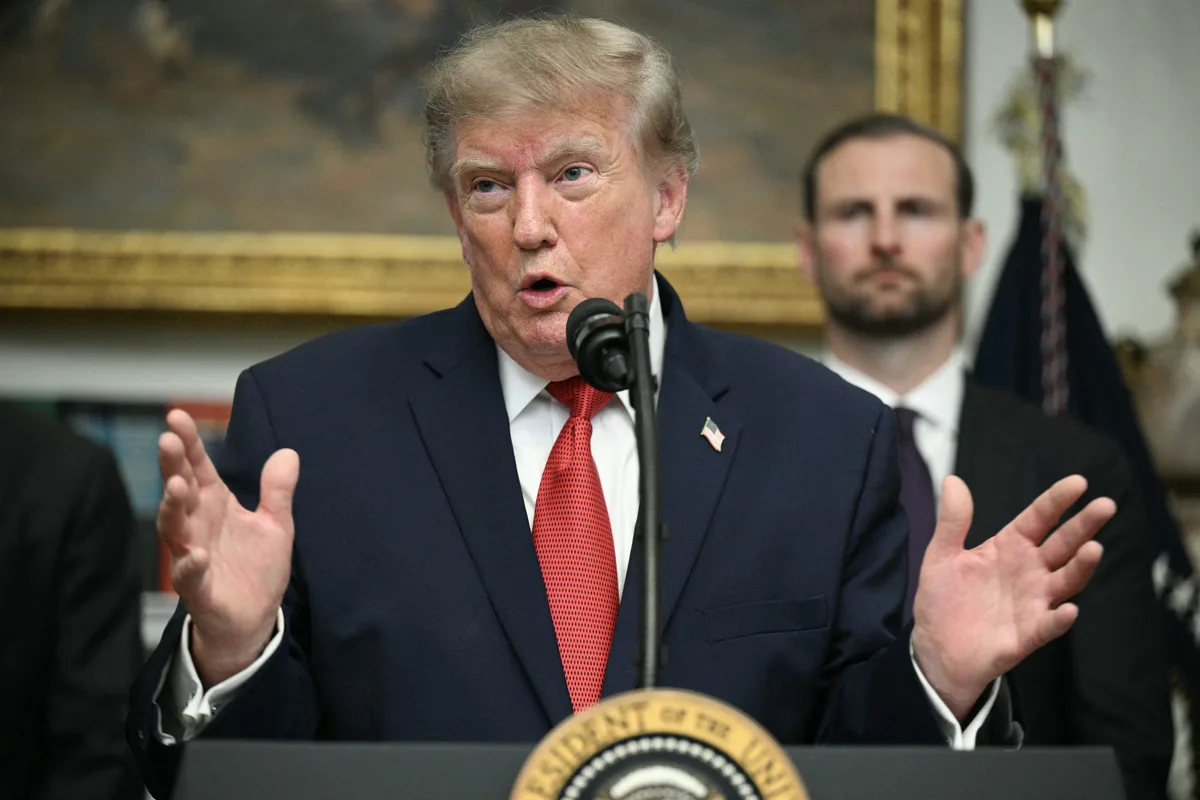
President Donald Trump has once again trained his sights on the Federal Reserve, publicly lamenting the central bank's interest rate policy and asserting that the United States should be paying significantly less to borrow money. The remarks follow a well-established pattern in which Trump uses public pressure as a tool to nudge the Fed toward looser monetary conditions — a strategy that raises persistent questions about the independence of the nation's most powerful financial institution.
At the core of Trump's critique is a familiar accusation: that Fed officials are driven by political considerations rather than purely economic ones. By framing rate decisions as ideologically motivated, Trump attempts to delegitimize the Fed's current posture while positioning himself as an advocate for American borrowers and businesses squeezed by elevated financing costs. The charge is not new — he deployed similar language during his first term — but its recurrence signals that executive pressure on the central bank remains a defining feature of his economic approach.
Read more Mortgage Demand Flatlines as Rates Hold, Then Climb Again →
The broader context matters here. The Federal Reserve has maintained a cautious stance on rate cuts as it continues to weigh inflation dynamics and labor market resilience. Trump's preferred outcome — sharply lower rates — would reduce the cost of government debt service and potentially juice economic activity, but Fed policymakers have repeatedly signaled that decisions will be guided by data rather than political timelines. That tension between the White House and the Eccles Building is unlikely to dissipate anytime soon.
What makes this dynamic consequential extends beyond any single rate decision. Sustained presidential pressure on the Fed risks eroding market confidence in the institution's autonomy, which is itself a pillar of U.S. financial credibility. Investors and foreign central banks watch these exchanges closely, understanding that a politicized Fed could introduce new layers of uncertainty into dollar-denominated assets and long-term interest rate expectations.
Continue reading at US Top News and Analysis.