Trump Accuses Big Oil of Price Gouging at the Pump
President Trump claims major oil companies are keeping gas prices artificially high, targeting Exxon, Chevron, Shell, and BP by name.
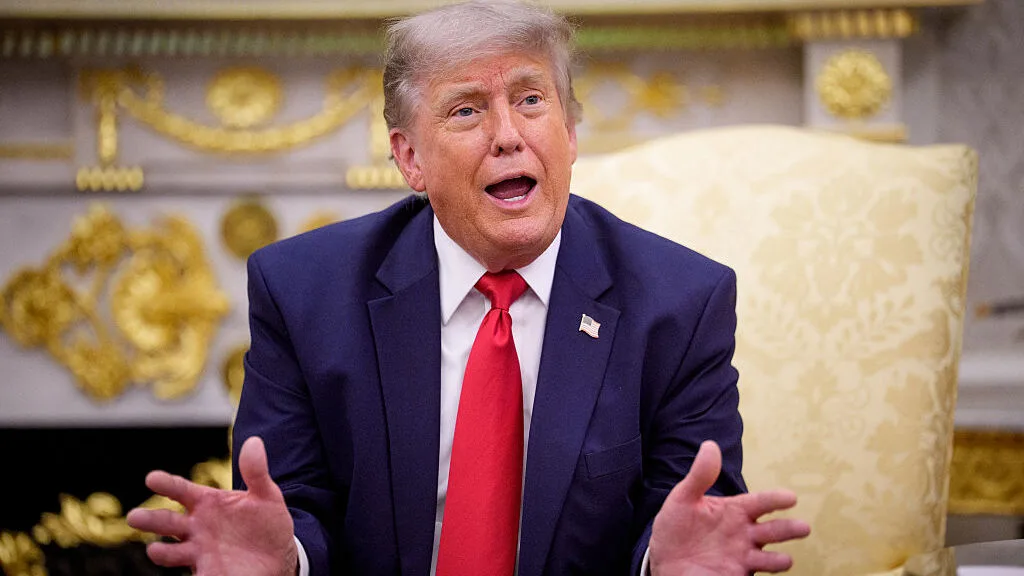
President Donald Trump has trained his populist crosshairs on some of the world's largest energy companies, publicly accusing Exxon, Chevron, Shell, and BP of price gouging American drivers at the gas pump. In a pointed statement, Trump argued that fuel prices should be sitting around $2.25 per gallon — a figure notably below what most consumers have been paying — and suggested the major oil companies are the primary reason that gap exists.
The accusation carries significant political weight, even if the economics are more complicated. Retail gasoline prices are shaped by a web of variables: crude oil benchmarks set on global commodity markets, refining margins, regional distribution costs, state and federal taxes, and retail competition. Singling out the integrated oil majors as the dominant force in pump prices oversimplifies a market where crude feedstock costs alone typically account for more than half of what consumers pay.
Read more Qatar Reports Citizen Killed by Shrapnel Amid Military Operations →
Still, Trump's framing taps into a durable public frustration. Surveys consistently show that Americans view oil companies with suspicion when prices spike, and the majors have posted historically large profits in recent years — a combination that makes the price-gouging narrative politically potent regardless of its technical accuracy. For Trump, the attack also serves a dual purpose: it pressures the industry toward lower prices while positioning him as a defender of working-class consumers against corporate excess.
What remains to be seen is whether the rhetoric translates into policy action. Past administrations have investigated price gouging claims with little regulatory consequence, partly because the legal definition of gouging in commodity markets is difficult to establish. If Trump moves beyond statements toward executive action or legislative pressure, it would mark a notable escalation in the relationship between his administration and the fossil fuel sector — an industry that has generally viewed his presidency as friendly to its interests.
Continue reading at Yahoo Finance.