Trump Claims US Controls Hormuz Strait Amid Iran Tensions
Trump asserts American dominance over the Strait of Hormuz while denying scheduled Iran talks, even as shipping attacks persist.
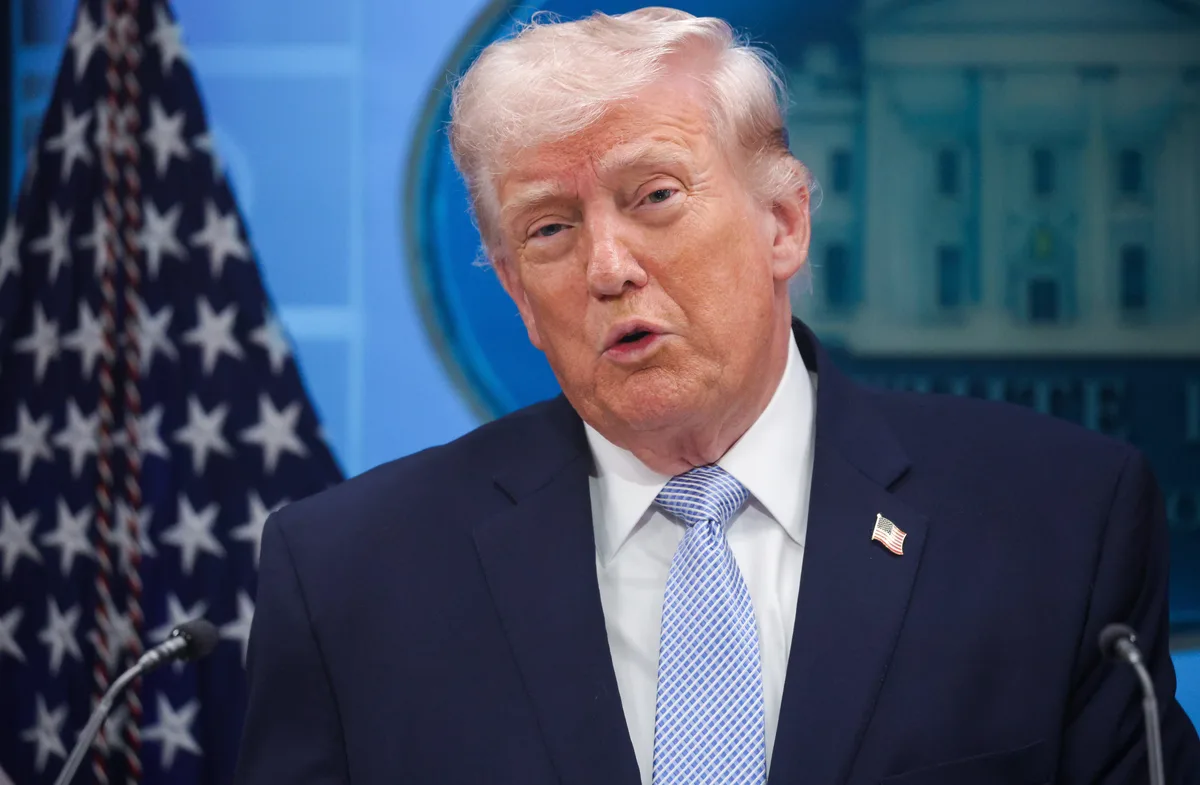
President Donald Trump signaled an escalating posture toward Iran on Thursday, claiming the United States holds effective control over the Strait of Hormuz — one of the world's most strategically vital waterways — while simultaneously confirming that no diplomatic talks with Tehran are currently scheduled. The remarks underscore a widening gap between the administration's rhetorical confidence and the operational realities on the water.
The Strait of Hormuz serves as the choke point for roughly a fifth of global oil traffic, making any disruption there an immediate concern for energy markets worldwide. Despite Trump's assertion of American dominance, the situation at sea tells a more complicated story: vessels transiting the strait continue to face attacks, and relatively few ships are attempting the crossing at all. That divergence between presidential declaration and ground-level risk is the kind of strategic ambiguity that historically unsettles both allies and commodity traders.
Read more South Korea Blocks Polymarket Amid Global Crackdown on Prediction Markets →
Trump also teased potential action in the strait, though he stopped short of specifying what form that might take. The vagueness may be intentional — a pressure tactic designed to keep Tehran off balance — but it also raises questions about whether the administration has a defined endgame for the standoff. Historically, maximum-pressure strategies without an explicit diplomatic off-ramp have produced prolonged stalemates rather than swift resolutions.
The absence of scheduled negotiations is itself a signal worth parsing. Iran has previously conditioned any talks on sanctions relief, while Washington has insisted on broader concessions related to Tehran's nuclear program and regional proxy activities. With neither side publicly moving toward the table, the Hormuz standoff risks hardening into a chronic flashpoint that shapes oil prices and regional security calculations for months to come.
Continue reading at US Top News and Analysis.