Trump Criticizes Supreme Court Ruling on Mississippi Mail-In Ballots
The Supreme Court upheld Mississippi's late-arriving absentee ballot rules, drawing criticism from Trump, who also renewed his push for stricter voter ID legislation.
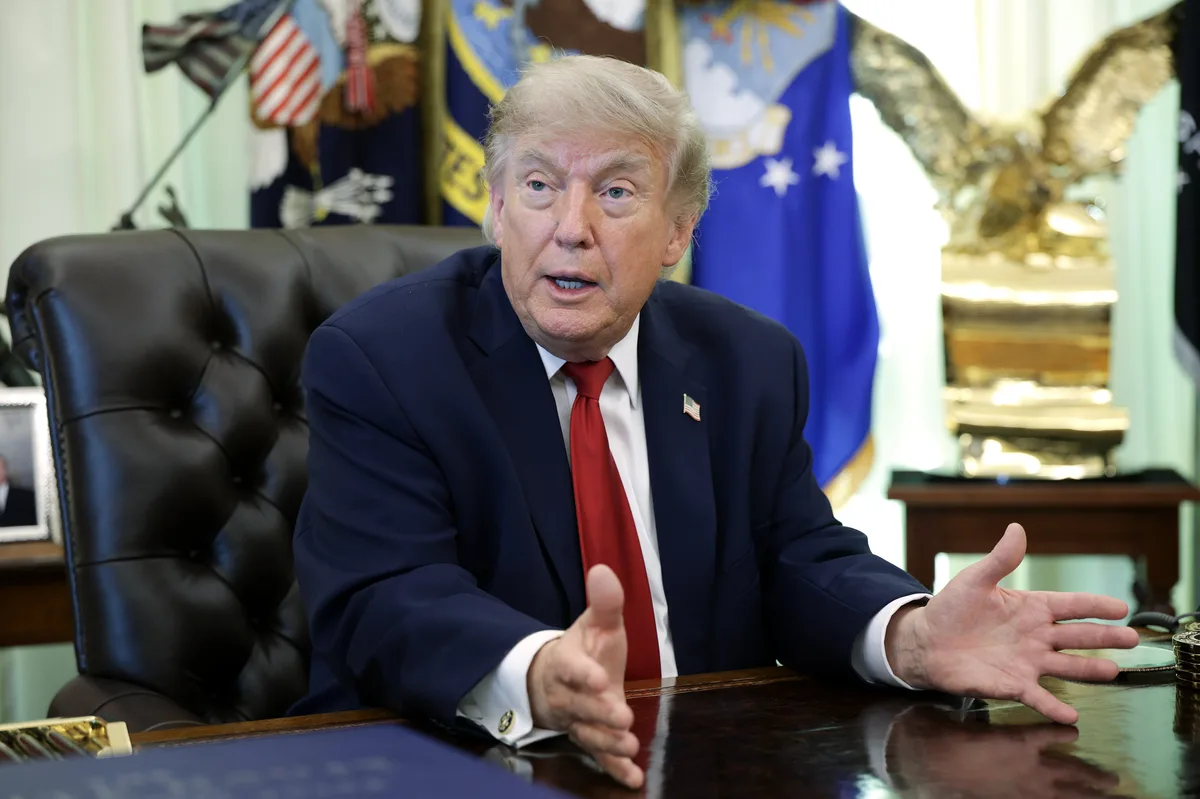
A Supreme Court decision allowing Mississippi to count late-arriving absentee ballots drew sharp criticism from former President Donald Trump, who called the outcome a "tremendous loss" and used the moment to intensify his long-standing push for stricter voter identification requirements at the federal level. The ruling represents a notable development in the ongoing national debate over mail-in voting rules and election administration.
At the center of the decision was Justice Amy Coney Barrett, a Trump nominee confirmed in 2020, who sided against arguments that federal law should preempt Mississippi's policy permitting absentee ballots arriving after Election Day to still be counted. Barrett's position underscores how Supreme Court justices, even those appointed by a sitting or former president, do not reliably deliver politically aligned rulings — a dynamic that has surprised and frustrated presidents of both parties throughout American history.
Read more Lebanese Official Rejects US-Israel Deal, Warns of Internal Rift →
Trump's reaction, combining a lament over the court outcome with a renewed call for a voter-ID bill, reflects a broader electoral strategy that has defined Republican politics since 2020. Proponents of stricter voting rules argue they protect election integrity, while critics contend such measures disproportionately burden minority and low-income voters who are less likely to possess qualifying identification documents.
The Mississippi case touches on a persistent fault line in American election law: the balance of power between federal statutes and state-level voting procedures. States have historically retained significant authority over how they administer elections, and the court's decision appears to reaffirm that latitude, at least in the context of absentee ballot deadlines. How this ruling might influence similar policies in other states remains an open legal and political question heading into future election cycles.
Continue reading at US Top News and Analysis.