Trump Signals Doubt on Iran Deal as Hormuz Tensions Escalate
Trump expressed uncertainty about pursuing an Iran nuclear deal as U.S. military strikes on Iranian assets intensified near the Strait of Hormuz.
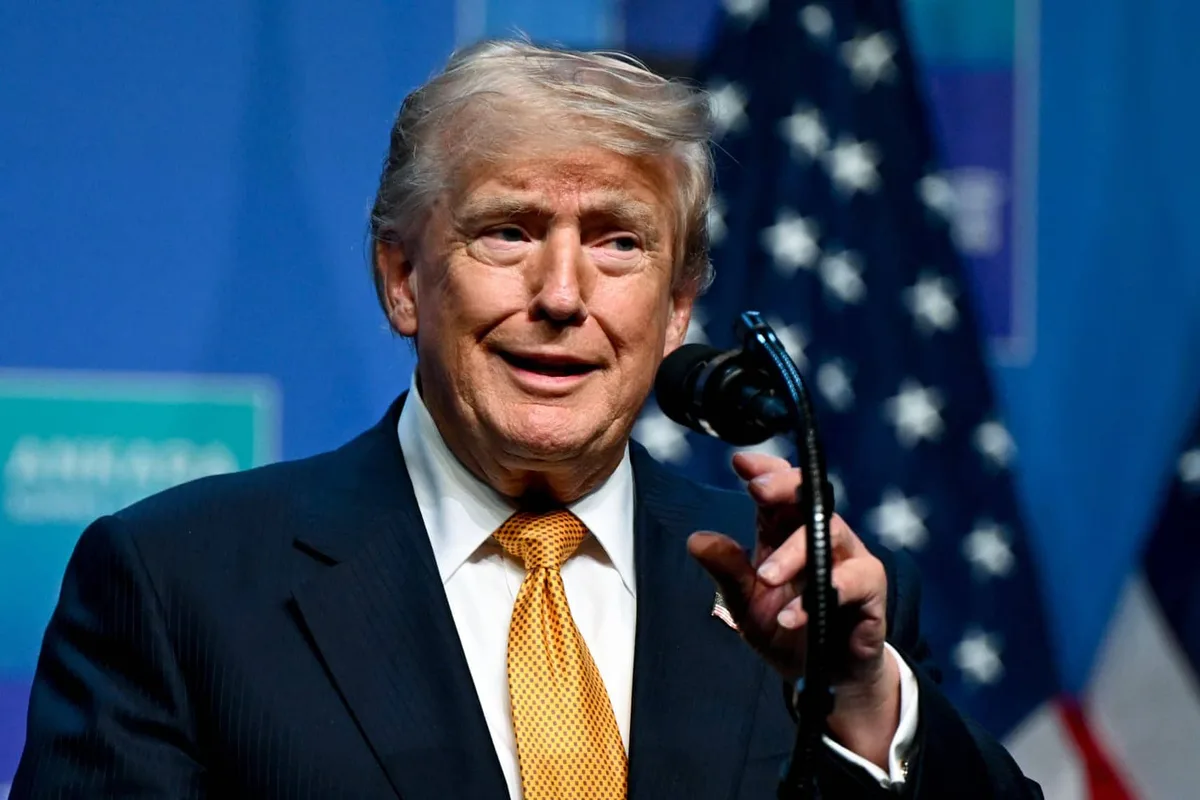
President Donald Trump cast doubt on whether the United States actually wants a diplomatic agreement with Iran, saying publicly that he is "not sure" he wants a deal even as military tensions in one of the world's most strategically vital waterways continued to intensify. The remarks represent a significant rhetorical shift at a moment when back-channel negotiations had been widely anticipated, and they raise serious questions about Washington's endgame in its confrontation with Tehran.
U.S. Central Command confirmed it had launched dozens of strikes targeting Iranian military infrastructure and small naval vessels in the region. The scale of the operation signals a deliberate effort to degrade Iran's capacity to threaten maritime traffic through the Strait of Hormuz, the narrow chokepoint through which roughly a fifth of the world's oil supply passes. Any sustained disruption there carries profound implications for global energy markets and allied economies.
Read more Trump Pushes Supreme Court to Rehear Birthright Citizenship Case →
Trump further escalated the uncertainty by suggesting additional military action could come "tonight," a characteristically unpredictable statement that left open the question of whether the administration is pursuing a coercive diplomacy strategy — using force to pressure Iran back to the table — or something more open-ended. The distinction matters enormously for how regional partners, oil markets, and adversaries like China and Russia interpret Washington's intentions.
The dual track of military strikes and presidential ambivalence about diplomacy creates a volatile strategic environment. Analysts and policymakers will be watching closely to see whether the strikes produce Iranian restraint or provoke escalation, and whether Trump's expressed uncertainty about a deal reflects a genuine policy position or a negotiating posture designed to maximize U.S. leverage before any eventual talks resume.
Continue reading at US Top News and Analysis.