U.S. Plays Down Iran's Seizure of Unmanned Sub in Hormuz Strait
Washington and Tehran exchanged fresh provocations near the Strait of Hormuz as Trump predicts oil prices will fall once the conflict ends.
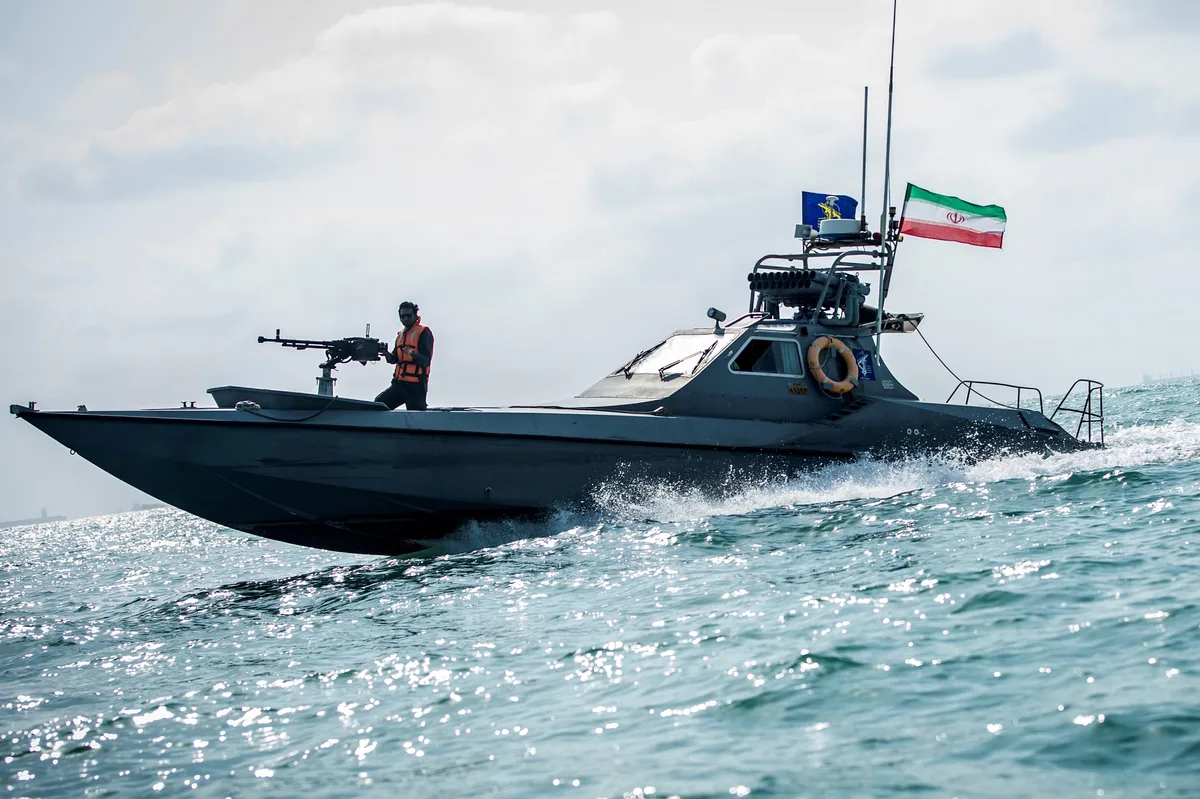
Tensions in one of the world's most strategically sensitive waterways escalated again as the United States and Iran traded military actions around the Strait of Hormuz, the narrow chokepoint through which a significant share of global oil shipments pass each day. Iran's seizure of an American unmanned submarine marked the latest flashpoint in a conflict that has steadily expanded its theater of operations into the maritime domain.
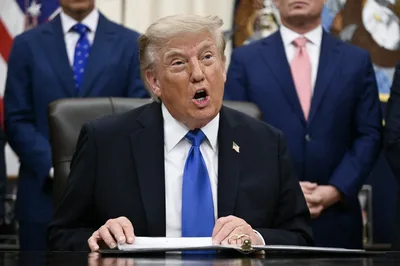
The Biden administration's successor in the White House, President Donald Trump, sought to downplay the incident, framing it as a manageable episode rather than a serious provocation. His messaging focused instead on economic projections, insisting that oil prices would decline sharply once hostilities with Iran draw to a close — a signal that the administration views market stability as both a political and strategic priority in how it communicates the conflict to the American public.
Read more Trump Claims Billions in Stock Gains in AI-Image Truth Social Posts →
The exchange illustrates a broader pattern in which both nations probe each other's resolve without immediately triggering a wider escalation. Unmanned underwater vehicles have become an increasingly important tool in modern naval competition, and their seizure or destruction carries diplomatic weight even when no personnel are directly at risk. Iran's willingness to seize U.S. hardware in contested waters suggests Tehran is calibrating its responses to demonstrate capability without crossing thresholds that would invite a more severe American military reply.
For oil markets and global shipping, the Hormuz Strait remains the single most consequential maritime corridor on the planet, and any sustained military activity there carries immediate implications for energy prices worldwide. Trump's public confidence that prices will fall once the conflict resolves may be intended as much to steady markets and domestic political audiences as to reflect a concrete military timeline. Whether that prediction holds will depend heavily on how quickly — and how cleanly — the current round of confrontations can be brought to a close.
Continue reading at US Top News and Analysis.