Uber's $500M Robotaxi Bet Puts It Between Tesla and Waymo
Uber is deploying hundreds of millions to secure autonomous ride supply as Waymo and Tesla battle for the driverless future.
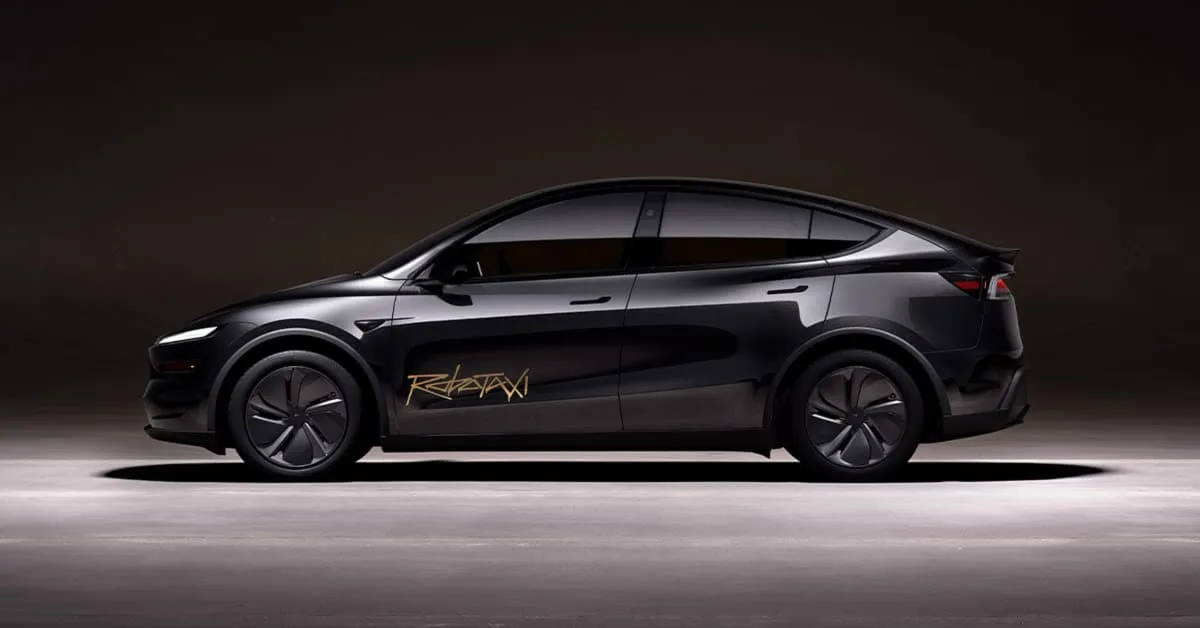
The robotaxi race is typically framed as a contest between Waymo's methodical, sensor-heavy vehicles and Tesla's camera-based Full Self-Driving ambitions. But the company quietly spending the most to win that race builds no autonomous cars whatsoever. Uber, the ride-hailing incumbent, is reportedly committing roughly $500 million to lock in robotaxi partnerships before the technology leaves it structurally irrelevant.
The strategic logic is straightforward, even if the financial risk is not. Uber's core asset is its demand network — tens of millions of riders and a globally recognized app. What it lacks is the hardware and AI stack required to remove the human driver. Rather than build those capabilities from scratch, Uber is essentially purchasing guaranteed supply from the companies that do, positioning itself as the marketplace layer in an autonomous future it does not control but cannot afford to ignore.
Read more Drop Shipment in SAP S/4 HANA Project Systems Explained →
Waymo, now widely regarded as the operational leader in commercial robotaxi deployment, represents the most immediate threat to Uber's relevance. If Waymo or a competitor scales a consumer-facing app independently, Uber's network advantage erodes rapidly. The $500 million in commitments can therefore be read less as an investment thesis and more as an insurance policy against disintermediation — a fee to stay in the room while the industry rewrites its own rules.
Tesla's robotaxi ambitions, meanwhile, add a third variable that complicates every incumbent's calculus. Elon Musk has repeatedly signaled plans for a Tesla-owned ride-hailing network that would leverage the existing fleet of customer-owned vehicles. If realized, that model would threaten both Waymo's direct-to-consumer push and Uber's partnership strategy simultaneously, compressing the window in which today's capital commitments can pay off.
What the Uber playbook reveals is that the autonomous vehicle industry is bifurcating into technology producers and distribution platforms — and that the distribution layer is just as fiercely contested as the engineering one. Whether half a billion dollars is enough to hold that position against competitors who control both the car and the app remains the defining question of the decade. Continue reading at MarketWatch.com