United Airlines Faces $6 Billion Fuel Cost Surge This Year
United Airlines warned investors of nearly $6 billion in added fuel expenses, a significant headwind threatening profitability in the year ahead.
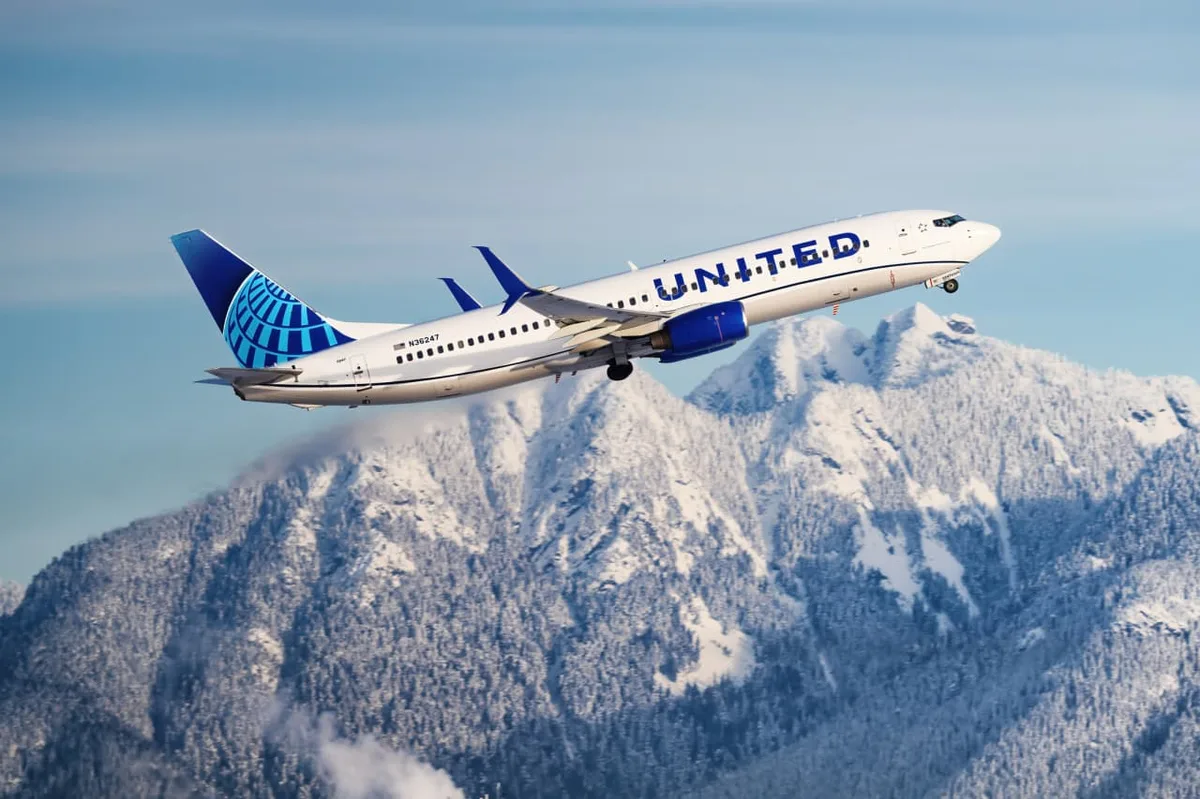
United Airlines is grappling with one of the most consequential cost pressures in commercial aviation: a fuel bill that has ballooned to the point where the carrier now expects to absorb nearly $6 billion in additional jet-fuel expenses over the course of the year. For an industry already operating on notoriously thin margins, a cost shock of this magnitude demands serious attention from investors and analysts alike.
Jet fuel consistently ranks as one of the largest line items on any major airline's balance sheet, often accounting for 20% to 30% of total operating costs. When that figure spikes sharply — whether driven by crude oil prices, refinery capacity constraints, or geopolitical disruption — carriers face a difficult choice: pass costs onto passengers through higher fares, absorb the hit and watch margins compress, or some combination of both. United's disclosure signals that management sees this as a durable, year-long challenge rather than a brief fluctuation.
Read more Morgan Stanley Sets Revenue and Profit Records on Equities Surge →
For investors, the $6 billion figure is a focal point precisely because it reframes how profitability should be evaluated in 2024. Revenue growth targets and load-factor improvements that looked impressive under prior fuel assumptions may need to be recalibrated against this elevated cost baseline. The airline industry has historically struggled to fully hedge against fuel volatility, and even carriers with sophisticated hedging programs can find themselves exposed when prices move sharply and sustainably.
The broader implication for the sector is worth considering. If United is projecting this level of fuel-cost pressure, rival carriers are almost certainly contending with similar dynamics. That could suppress industry-wide earnings even as travel demand remains robust — a reminder that strong consumer appetite for flying does not automatically translate into strong airline profitability when input costs are this elevated. How United manages pricing power and operational efficiency in response will be closely watched as a barometer for the entire sector.
Continue reading at MarketWatch.com