US Labor Force Shrinks by Over 1 Million Workers in a Year
America's workforce participation has hit its lowest point since the pandemic, raising fresh concerns about the labor market's underlying health.
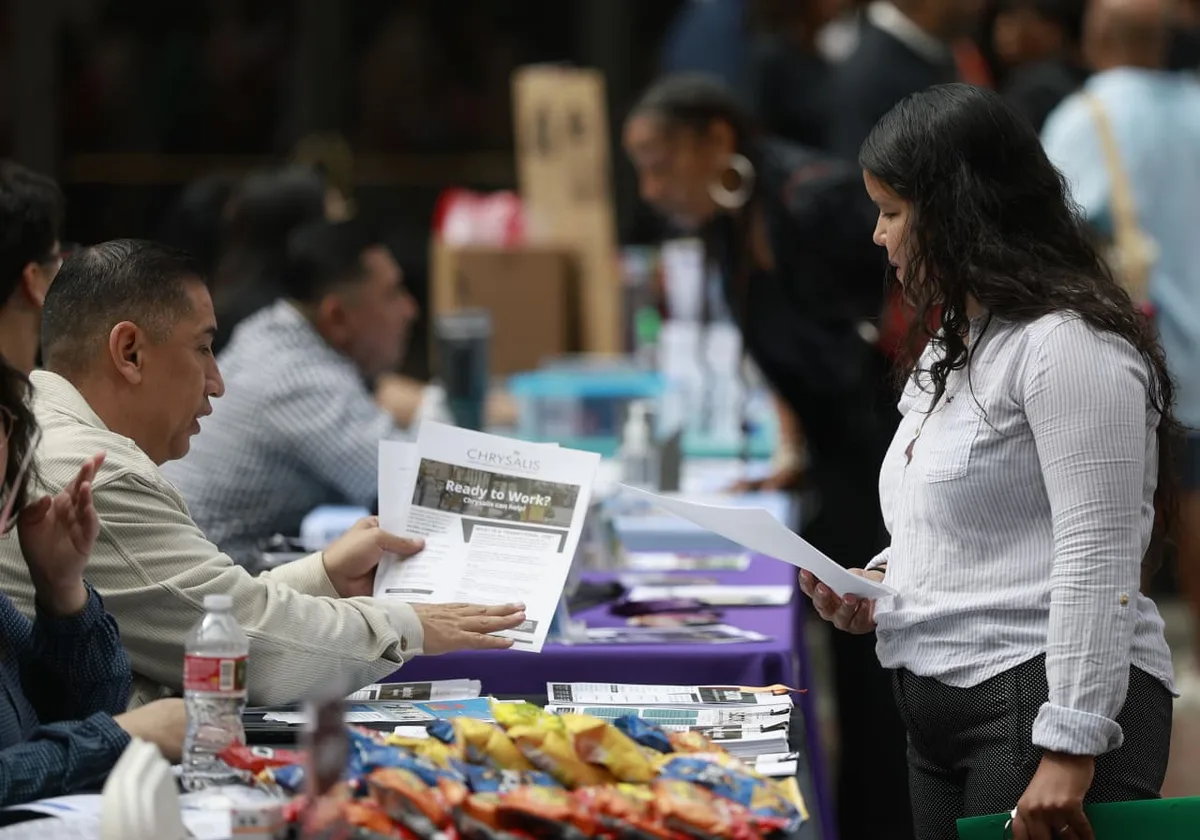
The American labor market is sending a warning signal that goes deeper than the headline unemployment rate: the pool of people who are either working or actively seeking work has contracted by more than one million over the past year. That kind of sustained withdrawal from the labor force is not a statistical blip — it reflects structural shifts in who is willing, or able, to engage with the economy.
Labor force participation is arguably a more revealing barometer of economic vitality than the unemployment rate alone. When people stop looking for jobs entirely, they are no longer counted as unemployed, which can make jobless figures appear rosier than reality warrants. A falling participation rate therefore masks genuine slack in the economy — slack that doesn't show up cleanly in the numbers politicians and markets typically watch.
Read more Indonesia Earthquake, Jason Arday Death, and Gas Prices Top News →
The July jobs report that surfaced this data was described as containing multiple discouraging signals. The timing matters: with the Federal Reserve navigating its rate policy and consumers already under pressure from elevated prices, a shrinking workforce complicates the broader economic picture. Fewer active workers can constrain output, dampen wage competition, and signal that some Americans have simply given up on near-term employment prospects.
What's driving the retreat is the critical question. Workforce participation can decline for a range of reasons — aging demographics, early retirements, caregiving responsibilities, or discouraged workers who see diminishing returns in their job search. Without knowing the precise mix, policymakers face a harder task designing interventions that would actually reverse the trend. A retirement-driven decline calls for different solutions than one rooted in discouragement or lack of accessible childcare.
The data arrives at a moment when the labor market's post-pandemic resilience had been one of the few consistent bright spots in the US economic narrative. If participation continues to erode, that story becomes significantly harder to tell. Continue reading at MarketWatch.com