Warsh's Fed Task Forces Signal a Cautious Approach to Rate Changes
New Fed Chair Kevin Warsh is leaning on task forces to defer rate decisions, with December emerging as a likely window for any policy shift.
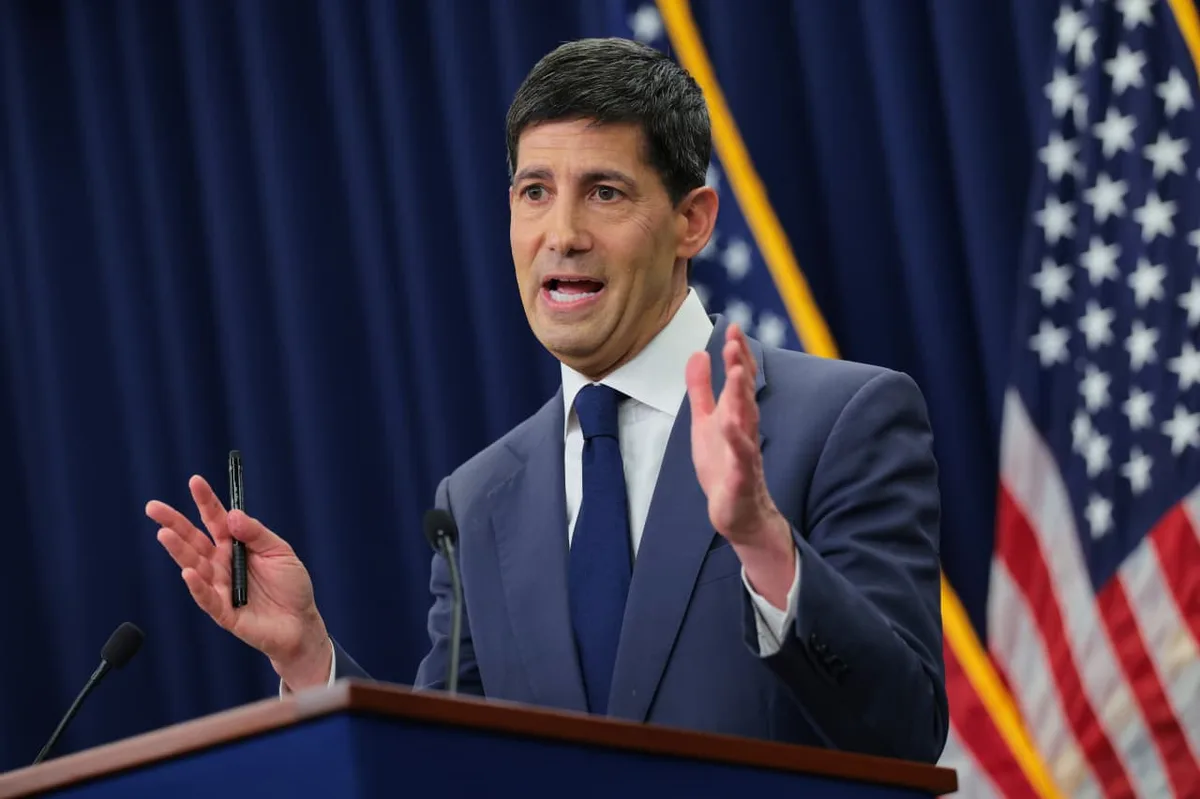
Kevin Warsh's debut as Federal Reserve chair came with a notable rhetorical pattern: when pressed by reporters on some of the most consequential monetary policy questions of the moment, he repeatedly pointed to newly formed task forces as the body responsible for working through the details. The message, delivered calmly and consistently throughout his first press conference, was unmistakable — the Fed is not ready to move, and it is building the institutional scaffolding to justify that patience.
The task-force framing is more than a communications strategy. By delegating sensitive questions to working groups, Warsh effectively insulates the Federal Open Market Committee from the pressure to act on an accelerated timeline. Markets, which have been parsing every Fed signal for clues about the trajectory of interest rates, must now contend with an additional layer of procedural opacity. That ambiguity, whether intentional or not, tends to push expectations further out on the calendar.
Read more Japan's Core Inflation Holds Steady in May Amid Energy Worries →
The practical consequence, according to MarketWatch's reading of the press conference, is that December has emerged as the most plausible inflection point for any meaningful rate decision. That timeline gives the task forces room to complete their work, gives policymakers more economic data to evaluate, and gives Warsh himself additional time to establish his credibility and management style at an institution famously resistant to abrupt directional changes.
For investors and analysts, the Warsh era appears to be opening with a deliberate deceleration of the decision-making tempo. Whether that restraint reflects genuine analytical caution or a new chair's instinct to consolidate authority before committing to a path remains an open question. What is clear is that the Fed's internal process is being restructured in ways that make near-term surprises considerably less likely.
Continue reading at MarketWatch.com