Why the Stock Market and Economy Can Move in Opposite Directions
AI-driven market gains have masked a slower-moving U.S. economy, highlighting a recurring disconnect between Wall Street and Main Street.
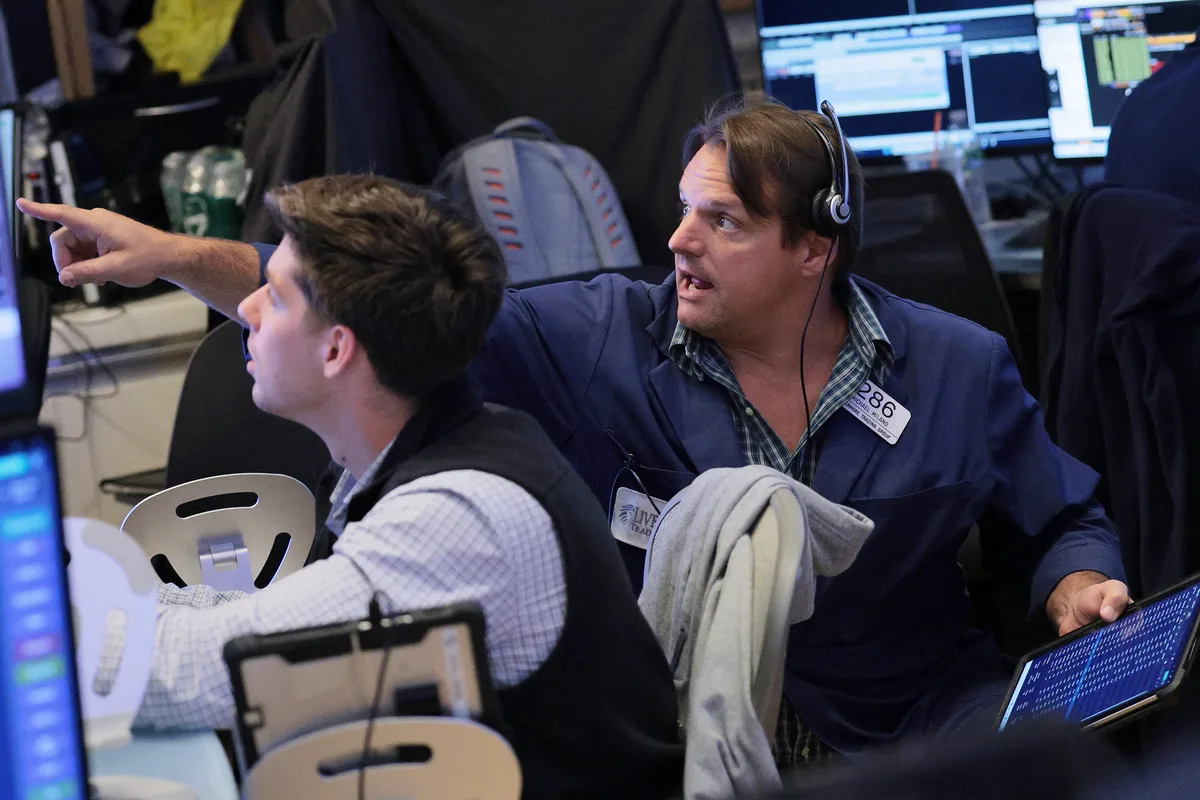
To casual observers, a surging stock market and a sluggish economy can seem contradictory — even alarming. But economists say this kind of divergence is not only possible, it is almost predictable given how differently the two systems are wired. The stock market is forward-looking, pricing in expectations of future profits, while broader economic indicators like wage growth, consumer spending, and GDP reflect conditions as they exist on the ground, often with a lag.
The latest episode of this disconnect has been powered by artificial intelligence. A concentrated wave of investor enthusiasm around AI technologies has lifted equity valuations — particularly among large-cap technology companies — well beyond what the general pace of economic activity might otherwise justify. Markets are essentially betting that AI will eventually translate into productivity gains and earnings growth at scale, even if that transformation has yet to materially show up in macroeconomic data.
Read more Monster Beverage Faces Growth Questions as Market Matures →
This gap between market performance and economic reality carries real implications for everyday Americans. Equity wealth is unevenly distributed, meaning that a booming stock market disproportionately benefits higher-income households, while the broader population experiences the economy primarily through employment conditions, purchasing power, and credit availability — all of which have been more restrained. The result is a tale of two economic realities existing simultaneously.
Analysts caution that markets pricing in optimistic AI outcomes while the economy underperforms creates a vulnerability. If the productivity revolution that investors are anticipating takes longer to materialize — or falls short — the premium built into current valuations could unwind rapidly. The economy and the stock market do eventually converge, though the timing and direction of that convergence is rarely comfortable for either.
Understanding this structural gap is essential for anyone trying to read economic signals accurately. A rising market is not confirmation that the economy is healthy, just as a stumbling economy does not guarantee falling stock prices. Continue reading at US Top News and Analysis.