Why Wall Street's Faith in a Fed Rescue May Be Misplaced
Investors betting on a central bank safety net may be misreading history. The Fed's past interventions followed rules, not market sentiment.
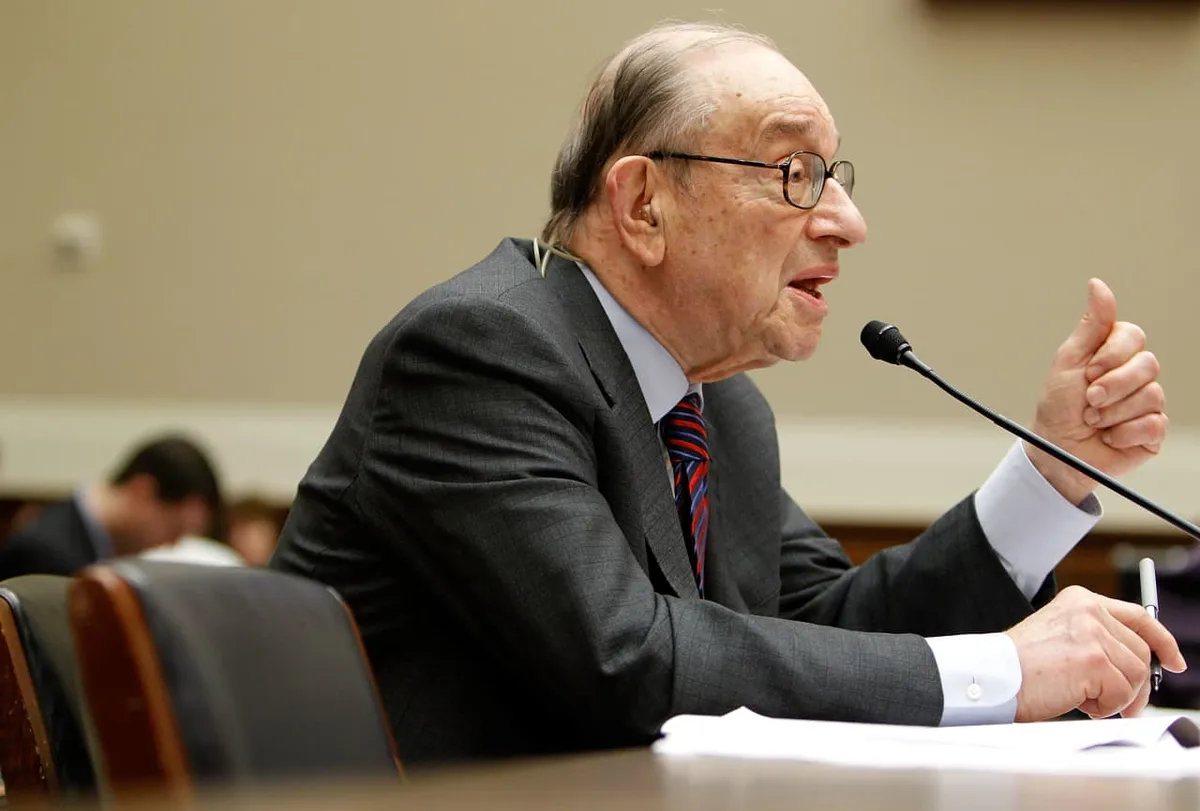
A persistent article of faith on Wall Street holds that whenever equity markets fall hard enough, the Federal Reserve will step in to soften the blow. This belief — sometimes called the "Fed put" — has shaped investor behavior for decades, encouraging risk-taking on the assumption that monetary policymakers stand ready to act as a backstop for portfolios in distress. But a closer reading of history suggests that faith may be dangerously misplaced.
The argument centers on a misinterpretation of how the Fed actually behaved during the dot-com crash of the early 2000s. Then-Chair Alan Greenspan did cut interest rates aggressively in the aftermath of that collapse, but the analytical framework matters here: Greenspan was responding to deteriorating economic fundamentals and following established monetary policy logic — not intervening to rescue stock portfolios. The rate cuts were a byproduct of the Fed's mandate, not a mandate to protect equity investors.
Read more Kalshi Eyes $40 Billion Valuation in Prediction Market Surge →
The notion of a so-called "Warsh put" — referencing former Fed governor Kevin Warsh, who has been discussed as a potential future Fed leader — implies that a next-generation central bank chief would similarly ride to Wall Street's rescue. MarketWatch's analysis pushes back hard on that framing, arguing that conflating rule-based monetary responses with deliberate market support distorts both the historical record and reasonable expectations about future Fed behavior.
This distinction carries real consequences for how investors size risk today. If the Fed's prior easing cycles were driven by recession signals and inflation dynamics rather than by equity-market distress, then a sharp stock selloff alone is an insufficient trigger for intervention. Investors who have priced in a policy backstop without that nuance are effectively operating on a flawed model — one that could leave portfolios exposed when the market correction they expect the Fed to contain instead runs its course unchecked.
The broader takeaway is that central bank credibility depends precisely on not becoming a creature of market expectations. A Fed that cuts rates to rescue falling asset prices would undermine its own inflation-fighting mandate and set a destabilizing precedent. History, read carefully, does not promise investors a safety net — it promises a central bank that follows its mandate. Continue reading at MarketWatch.com