World Cup Lifted Bars and Restaurants, but Broader Economy Stays Cautious
The Fed's Beige Book found the soccer tournament boosted hospitality venues, yet broader consumer spending showed signs of strain.
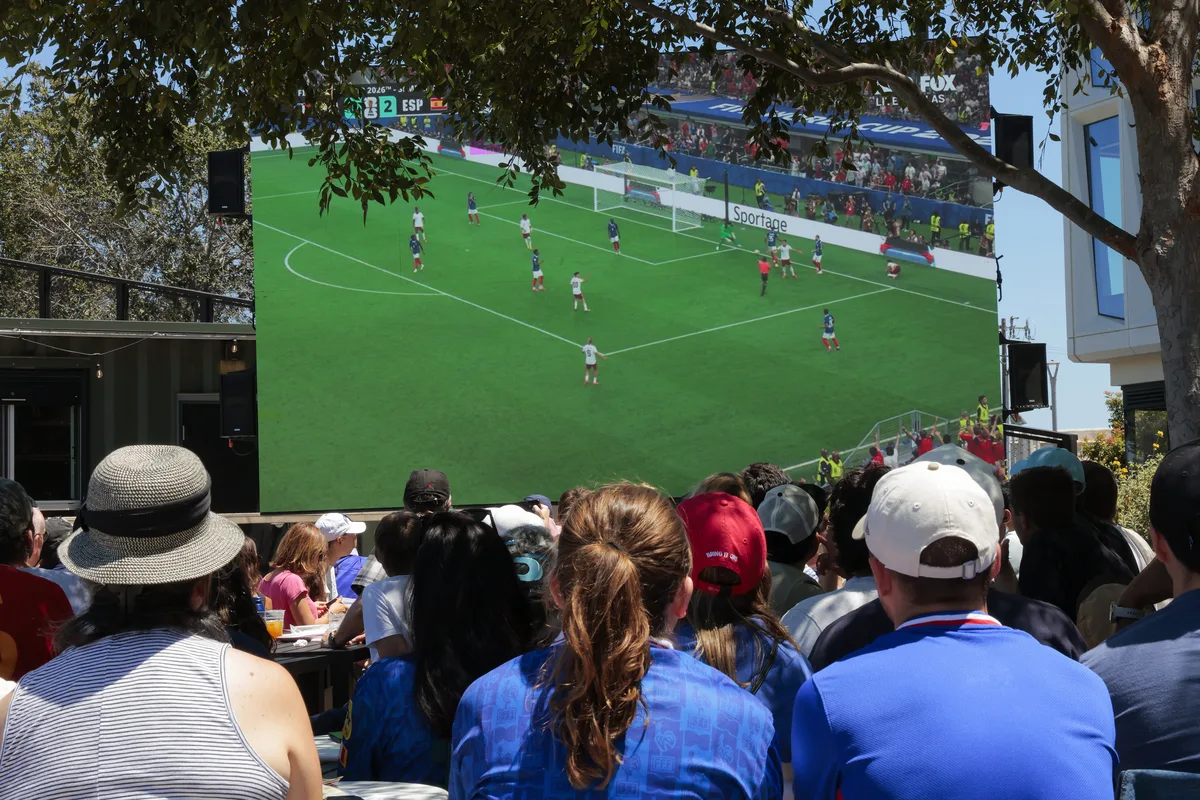
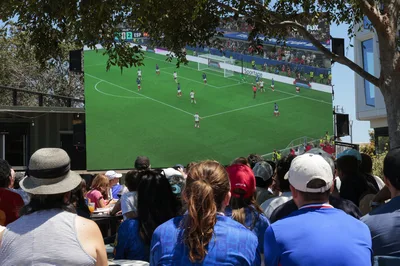
The Federal Reserve's latest Beige Book — a periodic survey of economic conditions across the central bank's twelve regional districts — offered a nuanced picture of how the FIFA World Cup rippled through the American economy. While bars and restaurants reported a welcome uptick in traffic and revenue tied to the tournament, the report stopped well short of suggesting that soccer enthusiasm was translating into any kind of broad-based consumer revival.
For the hospitality sector, any boost matters. The industry has navigated a prolonged stretch of uneven recovery, contending with elevated food and labor costs that have squeezed margins even as nominal sales remained resilient. A major international sporting event capable of drawing crowds on weekday afternoons and weekend mornings represents exactly the kind of external catalyst restaurateurs rarely get to count on — making the World Cup effect a genuine, if fleeting, bright spot.
Read more Prediction Markets Signal $4 Gas by End of July 2025 →
Yet the Beige Book's wider read on consumers is harder to ignore. Flashing warning signs around spending suggest households are becoming more selective, a pattern consistent with the cumulative toll of elevated interest rates, persistent inflation in essentials, and dwindling pandemic-era savings buffers. Economists have long watched consumer behavior as a leading indicator, and any softening there carries implications well beyond the restaurant booth.
The divergence between sector-specific windfalls and the aggregate consumer picture is itself analytically instructive. Sporting events and cultural moments can generate concentrated demand — money flows into a narrow band of businesses — without meaningfully lifting the broader economic tide. The Beige Book's framing implies policymakers are well aware of the distinction, and that a tournament-fueled spike in bar tabs is unlikely to factor heavily into rate deliberations.
Continue reading at US Top News and Analysis