Apple's iPhone 18 May Carry a $200 Price Hike, Morgan Stanley Says
Morgan Stanley projects the iPhone 18 lineup could cost $200 more than its predecessor, potentially lifting Apple's stock.
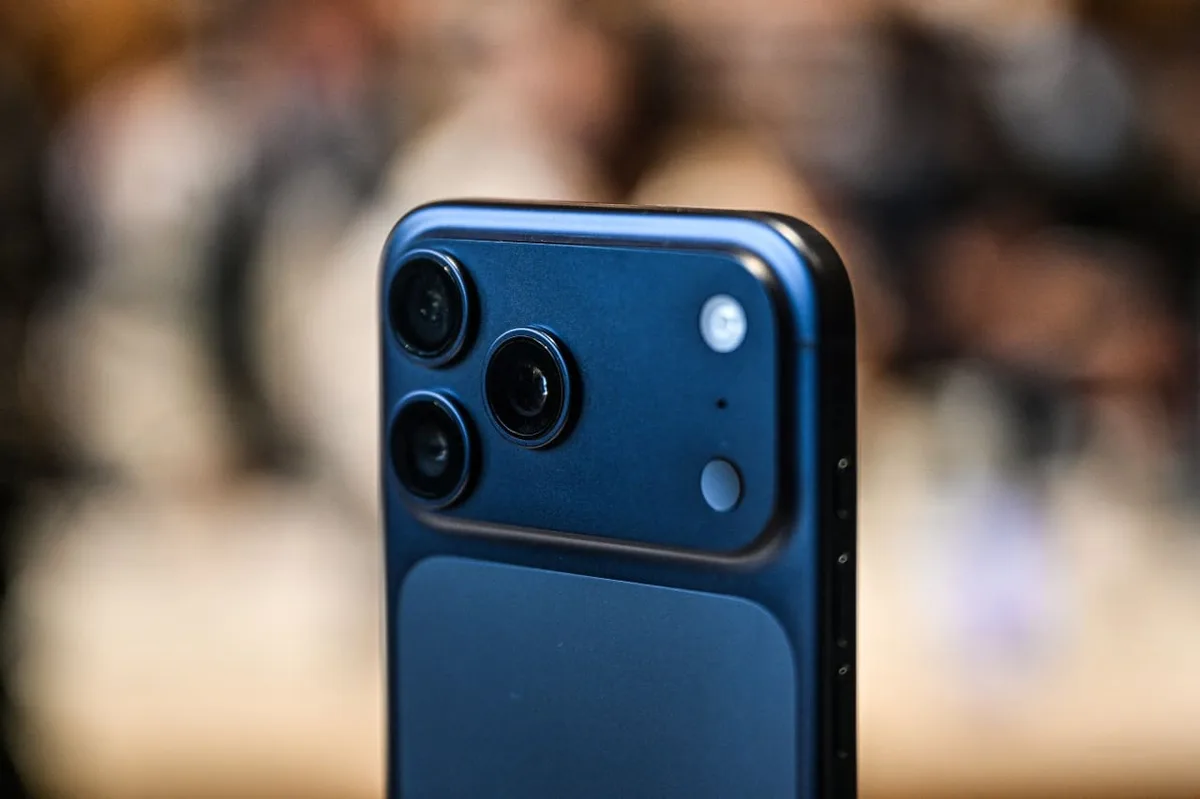
Apple's next major product cycle may double as a financial catalyst, according to analysts at Morgan Stanley who estimate that the upcoming iPhone 18 lineup could carry price tags roughly $200 higher than the current generation. If accurate, that would represent one of the most significant pricing shifts in the iPhone's history and a meaningful lever for Apple's revenue growth at a time when unit volume growth has moderated in saturated markets.
The calculus behind a price increase of this magnitude likely involves several converging factors: anticipated hardware upgrades, possible tariff-related cost pressures that Apple may pass along to consumers, and the company's demonstrated ability to maintain consumer demand even at premium price points. Apple has long operated in a segment of the market where brand loyalty and ecosystem lock-in reduce the typical price sensitivity that would constrain other consumer electronics makers.
Read more SK Hynix Options Launch, but Leveraged ETFs Steal the Show →
For investors, a successful price hike carries outsized implications. Higher average selling prices flow directly into gross margins, and Apple's services business — which monetizes the installed base — grows more valuable as that base spends more per device. Morgan Stanley's framing of the price increase as a potential "boost" to the stock reflects the view that Wall Street may not have fully priced in this upside scenario ahead of the iPhone 18 launch cycle.
The risk, of course, is consumer pushback. A $200 increase on an already expensive flagship device could suppress upgrade rates among cost-conscious users, particularly in key international markets where currency dynamics make dollar-denominated price hikes even more painful. How Apple balances premium positioning against volume will be closely watched as the launch approaches.
Continue reading at MarketWatch.com