Buy Now, Pay Later Shifts From Splurges to Staples—at a Cost
Americans are increasingly using BNPL financing for groceries and bills, raising red flags about household financial stress and rising late payments.

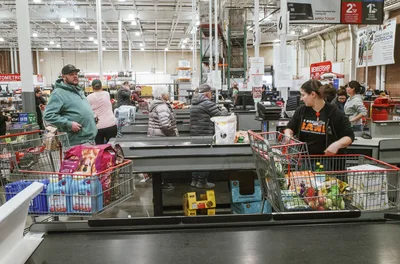
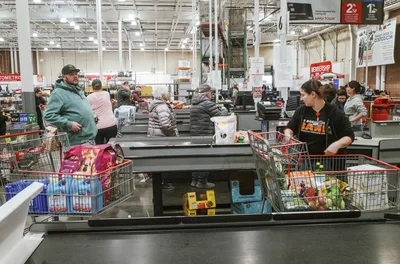
Buy now, pay later was once associated with discretionary splurges — electronics, fashion, travel. Increasingly, however, consumers are leaning on the installment-payment tool to cover the basics: groceries, rent, utility bills. That shift in usage patterns is more than a curiosity; it signals a meaningful deterioration in the financial cushion that many households once had to absorb everyday costs.
The trend carries a specific warning embedded in the data. More BNPL users are now recording late payments, a development that points to a compounding pressure cycle. When consumers finance essential goods on short-term installment plans and then miss those payments, they face fees and potential credit score damage on top of the underlying cost of living pressures that pushed them to BNPL in the first place. The instrument, designed to be frictionless, can quickly become another source of financial drag.
Read more IBM Employees Lose $400 Million Betting on Company Stock →
What makes this moment analytically distinct is the nature of the goods being financed. Discretionary BNPL spending can, in theory, be curtailed — you can delay buying a new television. You cannot defer eating. When installment credit migrates into the non-discretionary category, it suggests borrowers have exhausted other buffers: savings, credit cards, or family support. BNPL becomes the lender of last resort, a role it was never designed to fill and is structurally ill-suited for.
Regulators and consumer advocates have long flagged BNPL's relatively light oversight compared to traditional credit products. The migration toward essential spending could intensify calls for stronger consumer protections, clearer disclosure requirements, and more rigorous ability-to-repay assessments from BNPL providers. For now, the rising late-payment rate is an early-warning indicator worth watching closely as a barometer of broader household financial health.
Continue reading at US Top News and Analysis.