Best Buy's New CEO Plans Smaller Stores to Drive Future Growth
Incoming Best Buy CEO Jason Bonfig tells CNBC he sees a leaner store footprint as the path to broader reach and better customer experience.
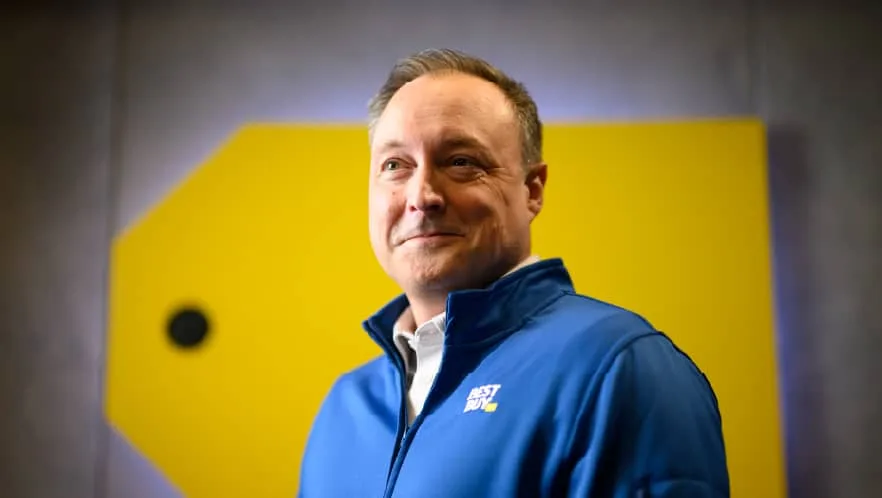
When a major retailer's incoming chief executive signals that shrinking is part of the growth strategy, it's worth pausing to understand what that actually means. Jason Bonfig, who is set to take over as CEO of Best Buy, told CNBC that his vision for expanding the electronics chain runs counterintuitively through a smaller physical footprint — a posture that reflects broader shifts reshaping brick-and-mortar retail across the United States.
Bonfig's emphasis on enhancing the customer experience alongside a reduced store format suggests Best Buy is thinking carefully about where consumers actually encounter its brand and whether large, warehouse-style locations still serve that purpose efficiently. Smaller stores can lower operating costs, allow the company to enter markets that couldn't support a full-size location, and focus the shopping environment on high-touch product categories where in-person expertise still commands a premium over online competitors.
Read more Apple's Memory Shortage Tests Tim Cook's Supply-Chain Mastery →
The strategic logic is familiar in retail: as e-commerce absorbs an ever-larger share of commodity electronics sales, physical stores must justify their existence by offering something a website cannot — demonstration, consultation, and immediate fulfillment. A downsized store, strategically placed, can function more like a showroom and service hub than a traditional inventory-heavy outlet, which aligns with how consumers increasingly use physical retail as a complement to digital shopping rather than a replacement for it.
Whether Bonfig can translate that vision into measurable revenue growth will be the defining test of his tenure. Best Buy has navigated a difficult post-pandemic environment marked by declining consumer electronics demand, and investors will be watching closely to see whether a smaller-format strategy accelerates the company's reach or simply reduces its exposure. The incoming CEO's willingness to articulate a clear, if unconventional, growth thesis at least signals strategic intentionality from the outset.
Continue reading at US Top News and Analysis.