Bipartisan Senators Push Early Social Security Reform Before Fund Runs Dry
A cross-party Senate group is urging action on Social Security reform as the retirement trust fund faces a potential shortfall within six years.
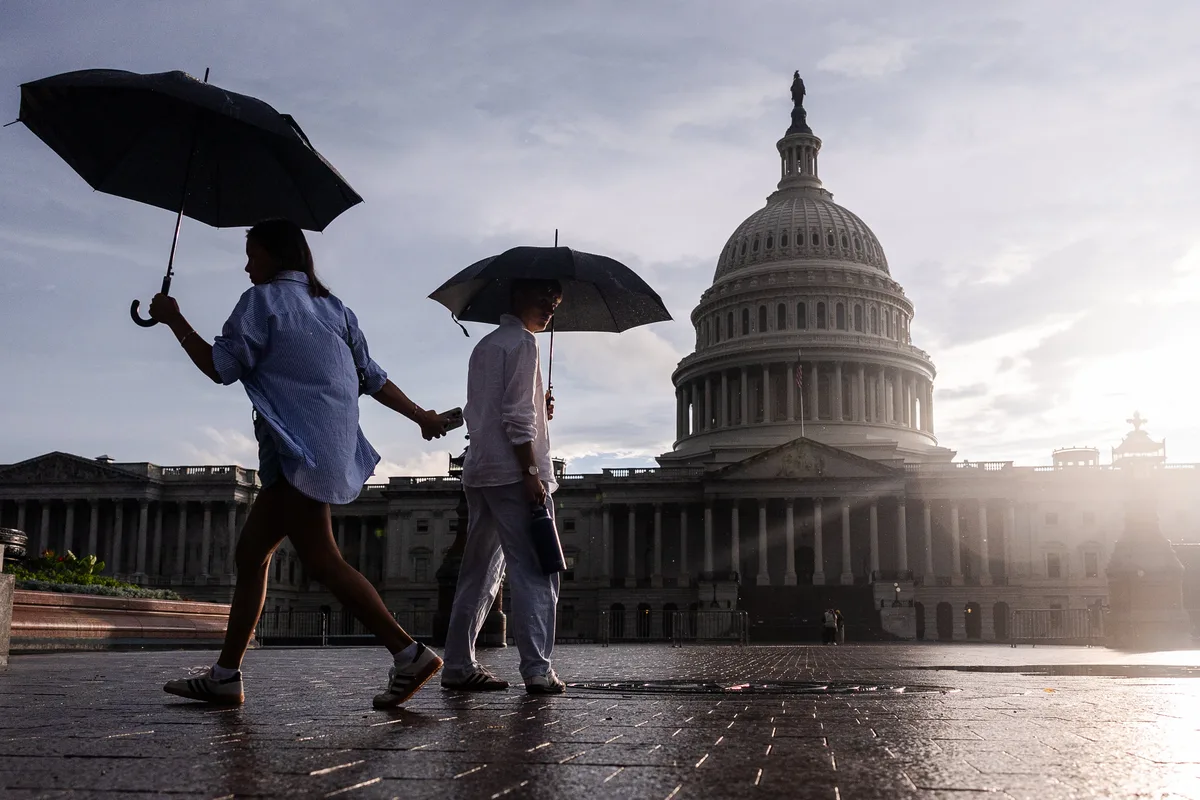
A bipartisan coalition of U.S. senators is stepping forward with a proposal to begin restructuring Social Security before the program's retirement trust fund reaches a critical breaking point, signaling rare cross-party urgency on one of Washington's most politically sensitive issues.
The pressure comes as projections suggest the trust fund dedicated to paying retirement benefits could be depleted in roughly six years — a timeline that would force automatic benefit cuts affecting tens of millions of Americans if Congress fails to act. The looming shortfall has long been known, but legislative inaction has persisted across multiple administrations and congressional sessions.
Read more E. Jean Carroll Collects $5.6M From Trump in Sex Abuse Case →
The senators' push for an earlier reform process reflects a growing recognition that delaying action only narrows the available options and magnifies the eventual pain — whether that means benefit adjustments, revenue increases, or some combination of both. Historically, the most durable Social Security reforms, including the landmark 1983 overhaul, required exactly this kind of bipartisan architecture to move forward.
What makes this moment analytically significant is the convergence of political timing and fiscal urgency. With a six-year window, Congress theoretically has enough runway to phase in changes gradually rather than impose abrupt cuts — but that window is shrinking with each passing legislative session that produces no movement. The bipartisan framing is also notable given how deeply polarized the broader fiscal debate in Washington has become.
Whether this proposal advances beyond a formal call to action into actual legislation remains the central question. The history of Social Security reform is littered with well-intentioned bipartisan gestures that stalled under electoral pressure. Continue reading at US Top News and Analysis.